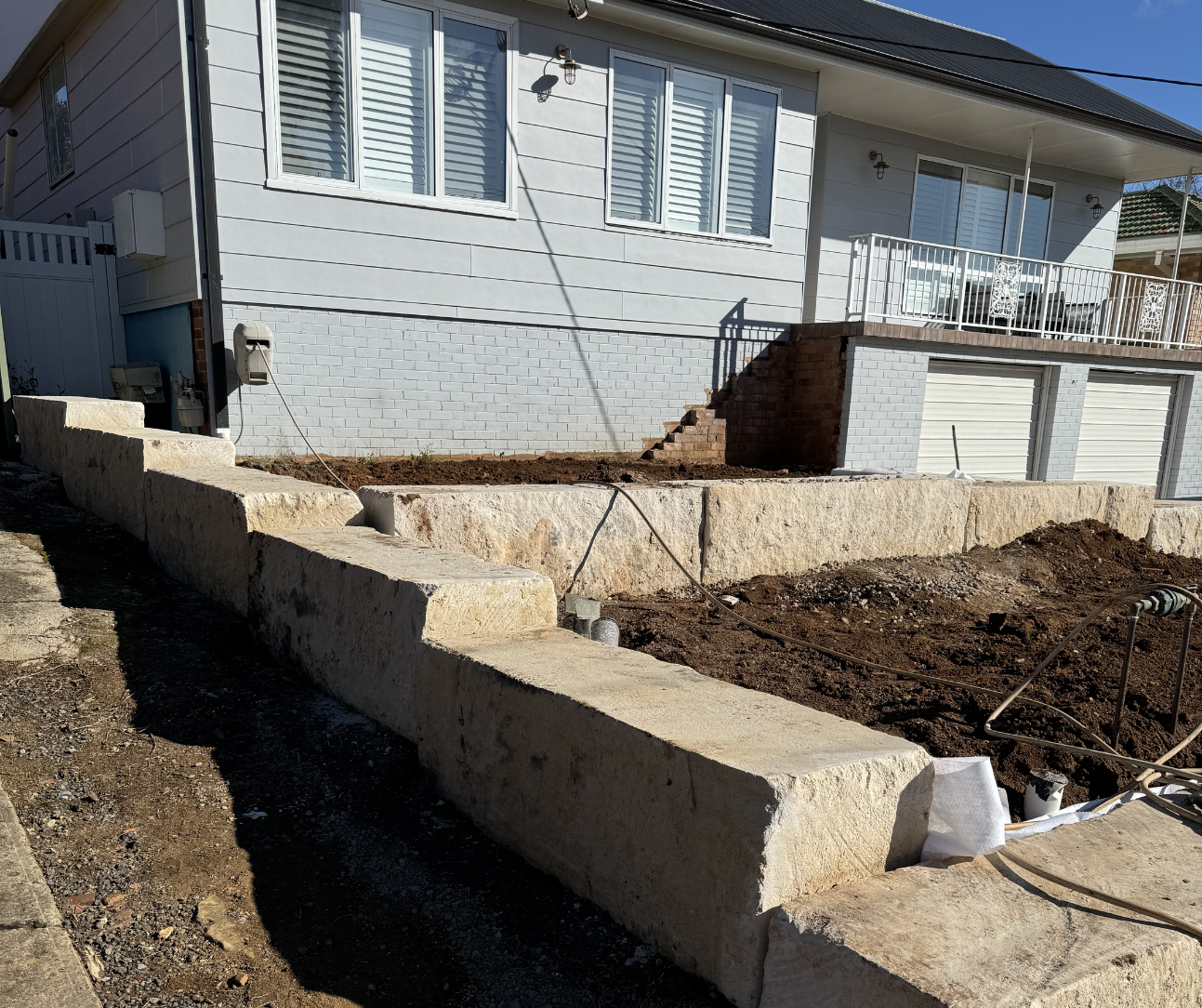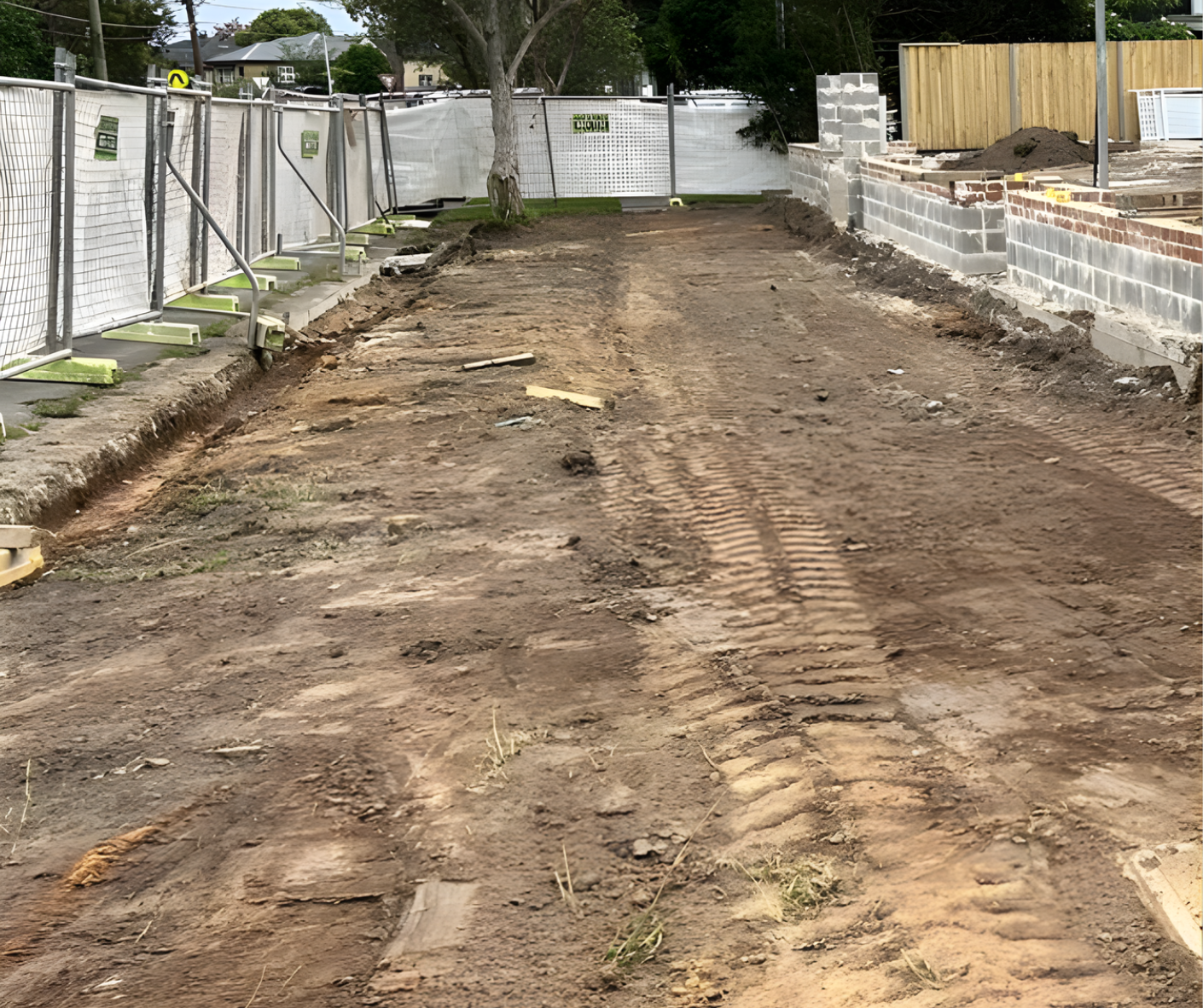
How Much Does it Cost to Excavate a Backyard in NSW?
Planning a pool, deck, or backyard makeover and wondering how much to excavate backyard space you'll need to budget for? Excavation is usually the first major line item in an outdoor project, and it can be confusing if you've never booked an excavator before.
The reality is, there's no single answer to how much it costs to excavate a backyard. Costs change based on your soil, access, the volume of material, and how much spoil has to be taken off-site. A simple levelling job in Campbelltown will be priced very differently from a deep pool dig in Wollongong or a tight-access excavation on the South Coast.
In this guide, MRN Excavations, a licensed residential excavation team led by Mat Neal and working across Sydney, Campbelltown, Wollondilly, Wollongong, Nowra and the South Coast, explains the typical budget to excavate the backyard areas in NSW. You’ll also know the key factors that affect pricing, and how to brief your project so you receive clear, accurate quotes.
Quick Answer
Most residential backyard excavations in NSW cost between $400 and $1,500 for straightforward jobs, with more complex projects (deep pools, steep blocks, rocky sites) costing significantly more. Hourly rates for an excavator and operator typically range from $120 to $220 per hour plus GST, depending on the size of the machine required. See the full pricing breakdown below.
The cost of a residential backyard excavation in NSW can vary significantly depending on the size and type of excavation required. Factors such as machine size, operating time, soil and ground conditions, site access, excavation depth and spoil removal can all affect the final cost.
Larger machines may be more suitable for bigger or deeper excavations, while smaller equipment is often used where access is restricted. For an accurate estimate, the site and excavation requirements need to be assessed individually.
What Is Backyard Excavation and What Does It Involve?
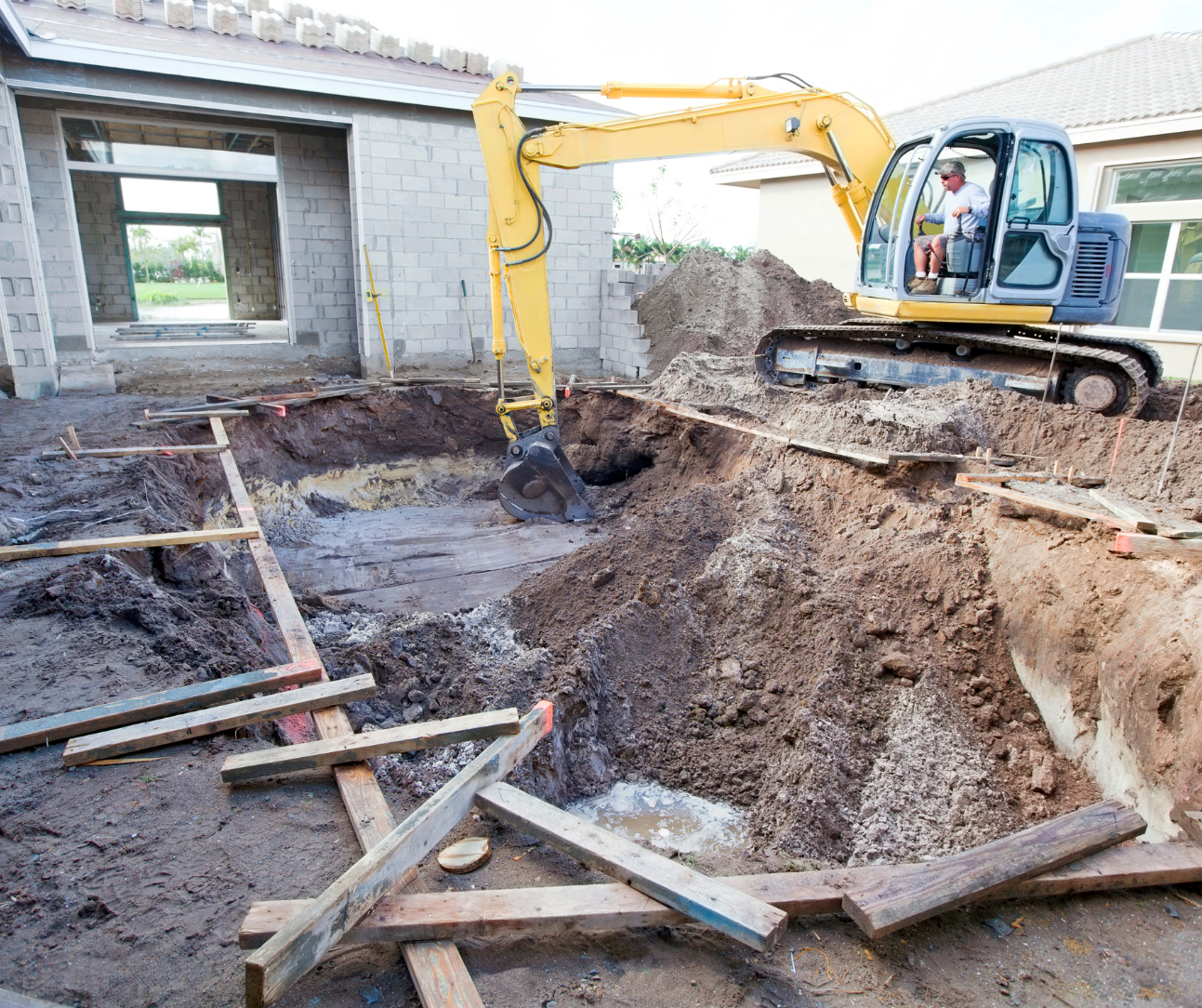
"Backyard excavation" simply means the earthworks needed before you can build, landscape, or install a pool in a residential yard. To see how excavation fits into the broader building process, read our guide on the importance of excavation in construction. Typical tasks include:
- Removing turf and topsoil
- Digging to depth for pools, slabs, paths or retaining walls
- Cutting and filling to create level areas
- Loading and removing soil or reusing it on site
- Rough levelling so the next trade can start
This article focuses on homeowners and small builders, not large commercial sites. It's the kind of work MRN Excavations completes every week in suburbs across Sydney, Campbelltown, Wollondilly, Wollongong, Nowra and along the South Coast.
Good excavation isn't just "digging a hole". It supports safe foundations, corrects falls for drainage (crucial during heavy rain), and reduces the risk of movement, cracking or pooling water later. A skilled operator also works carefully around services, fences and neighbouring properties, so your project starts safely and smoothly.
Typical Cost Ranges for Backyard Excavation in NSW
So what is a reasonable cost to excavate a backyard in New South Wales? For many homeowners, understanding these numbers is the first step before booking an excavation company in Sydney. While every job needs a site inspection and written quote, most residential projects are priced using some mix of:
- Hourly rates for machine and operator
- Volume-based (per cubic metre) rates
- Fixed-price project estimates
Use the figures below as planning guides, not fixed quotes.
Hourly & Equipment-Based Pricing
Prices shown are a guide only, current as of 2026. Actual costs depend on your site conditions and specific job requirements.
Many operators charge an hourly rate that includes an excavator and an experienced operator. In NSW, you'll commonly see:
- Around A$95–150 per hour for an excavator with operator (depending on the size of the machine)
- Higher rates if a tip truck is included for soil removal
- Minimum hire periods (for example, half-day blocks)
| Machine | Hourly rate (plus GST) |
|---|---|
| 1.7t excavator | $120 to $140 |
| S150 bobcat | $120 to $140 |
| 5.5t excavator | $130 to $170 |
| 8.5t excavator | $180 to $220 |
All prices exclude GST. A minimum 4-hour hire may apply. Rates vary based on job requirements and machine attachments used.
What Shifts Your Final Quote
The figures above are a starting point, not a fixed price. When Mat quotes your job, these five factors are what shift the number up or down:
- Machine attachments — different attachments suit different tasks (buckets, augers, rippers, grabs), and the right one for the job affects both the machine hired and the time it takes.
- Machine size — matched to the scope and access of the job. A bigger machine moves more material per hour but needs more room to work.
- Spoil disposal — what's actually in the spoil matters as much as how much there is. Clean fill is straightforward, while contaminated material, clay or heavy sand can add cost and time to remove and dispose of correctly.
- Site access — narrow access, sloped blocks or obstructions (fences, trees, structures) can slow the job down and may rule out larger, faster machinery.
- Travel — distance from MRN's Menangle base to your site is factored into the final quote.
Hourly pricing suits:
- Tight-access backyards where work is slower
- Small, uncertain jobs where ground conditions are unknown
- Site prep and tidy-up work that's hard to measure upfront
Per-Cubic-Metre or Volume-Based Pricing
Pricing indicative only, as of 2026. Final costs vary based on site conditions and job requirements.
For predictable digs, some contractors quote based on volume, the cubic metres of soil to be removed. Typical residential ranges are:
Roughly A$50–150 per cubic metre, depending on:
- Soil type (soft topsoil vs clay or rock)
- Access and distance to trucks
- Extra handling (through garages, under houses, etc.)
This method is common for:
- Pool excavations with clear dimensions
- Flat yards being cut and filled according to a plan
- Granny flat pads, shed slabs or retaining wall footings
Full-Project Ballpark Figures
Pricing indicative only, as of 2026. Final costs vary based on site conditions and job requirements.
To keep things simple, many contractors provide a full project figure that bundles machine, operator, and basic removal. As a general guide for NSW homeowners:
- Small, straightforward jobs (simple levelling or shallow cuts) often sit between A$400–1,500
- Larger or more complex excavations, deep pool digs, steep blocks, rock, or tight access can easily exceed A$2,000+
For example, a tidy-up and levelling job in a relatively flat Wollondilly backyard with easy access may be at the lower end. A deep, tight-access pool dig in a rocky Wollongong yard can move well beyond A$2,000 once all handling and tipping is included. Excavation in Campbelltown for a simple yard level often sits at the lower end of this range.
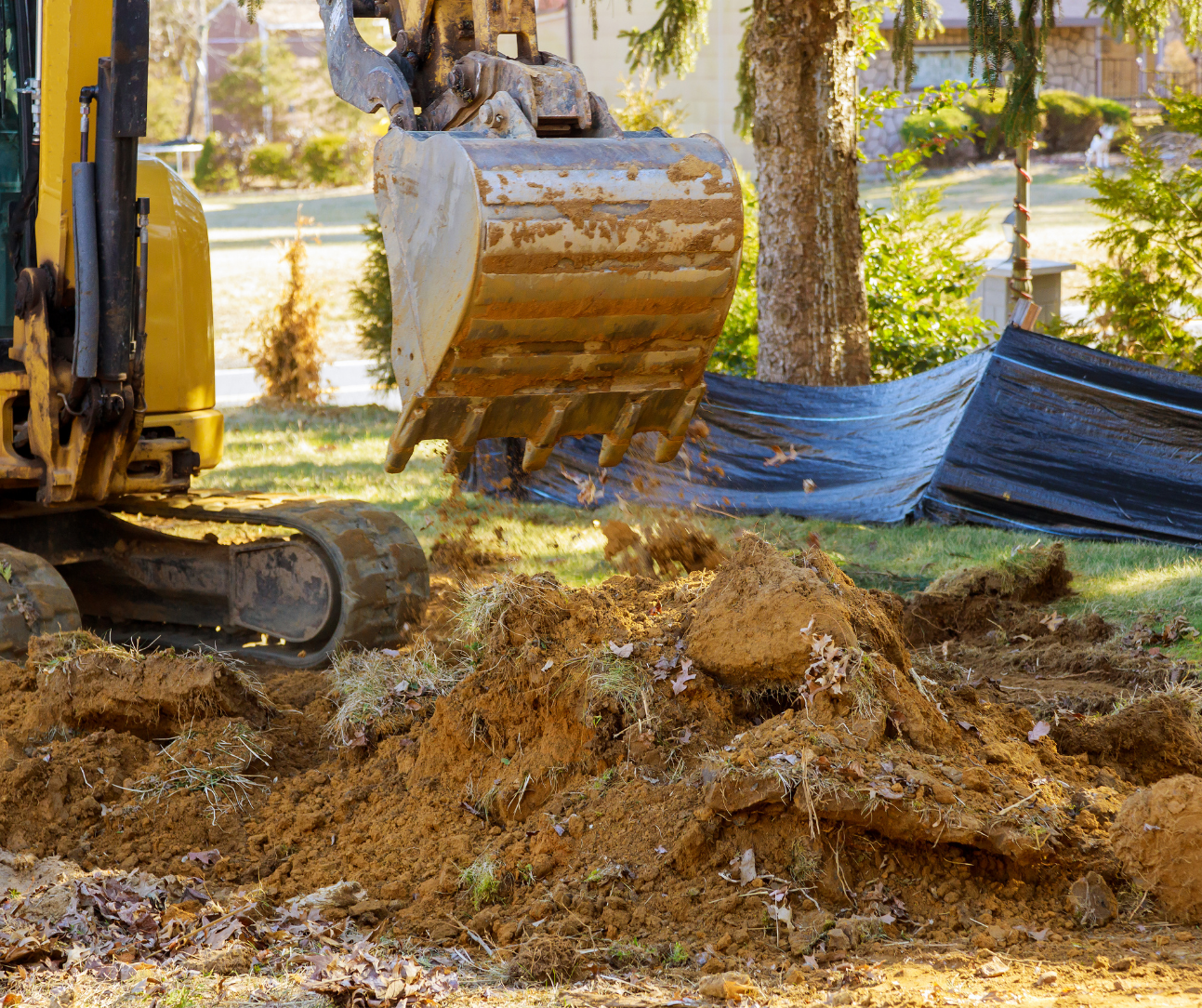
Key Factors That Influence Excavation Costs
Two similar-looking backyards can receive very different excavation quotes. These are the main reasons why.
Size and Depth of Excavation
More soil means more time, fuel, and machine hours. A shallow scrape for new turf is inexpensive compared to a 1.8m-deep pool dig or retaining-wall footing. Deeper excavations may also need extra shoring and safety measures.
Soil Type and Ground Conditions
Clay, rock and hard-packed ground take longer to dig and may require rock breakers or augers. Parts of Sydney and the South Coast have pockets of sandstone or heavy clay that slow progress and increase wear on equipment, which flows through to your quote.
Site Access and Layout
Access is one of the biggest price drivers in built-up suburbs. Wide driveways that allow larger machines and trucks are quicker and cheaper than narrow side paths, stairs or shared driveways that only suit mini excavators and barrows. Every extra metre that soil must be moved by hand adds labour. We've covered this in more detail in our tight access excavation guide for limited space projects.
Debris and Soil Removal
Excavated soil doesn't always stay on site. If it needs to be removed, you'll pay for:
- Loading and handling
- Truck hire
- Tipping or disposal fees
For a deeper breakdown of spoil and tipping charges, see our soil removal cost guide for builders and homeowners.
These costs can be a significant portion of the total, especially if tips are further away or soil must be disposed of as a particular material type.
Nearby Structures, Trees and Boundaries
Working close to decks, sheds, pools, boundaries, or large tree roots requires slower, more careful digging. Your excavator may need to use smaller buckets, work in stages, or hand-dig around sensitive areas, all of which add time.
Underground Utilities and Services
Hitting a water, gas, sewer or electrical line is dangerous and expensive. Responsible contractors check plans (for example, through Dial Before You Dig) and take extra care where services are present or suspected. That extra planning and slow, careful work around services is built into the price, and is well worth it. You can learn more about these risks in our article on the most common dangers of excavations.
Permits, Approvals and Compliance
You may need approval for pools, major retaining walls or significant changes to ground levels, depending on your local council (for example Campbelltown, Wollondilly, Wollongong or Shoalhaven). While your excavator doesn't usually handle approvals, they must work within your plans and conditions, which can affect how the job is staged and costed.
Operator Experience and Quality
More experienced operators may charge slightly more per hour but often finish faster and with a cleaner, safer result. Mat Neal and the team at MRN Excavations, with years of local residential experience, can predict common issues in Sydney and South Coast soils and plan an efficient approach from day one.
How to Get an Accurate Backyard Excavation Quote
A clear brief is the easiest way to get realistic pricing on how much does it cost to excavate a backyard in your area. Here's what to do before you call an excavator.
1. Measure the Area and Estimate the Volume
Measure the length, width, and approximate depth of the planned excavation. Multiply length × width × depth (in metres) to estimate the cubic metres of soil. Even rough numbers help your contractor size the job and choose suitable machinery.
2. Be Upfront About Site Access and Challenges
When you enquire, describe:
- Side access width and any stairs or tight corners
- Overhead issues like low eaves or decks
- Known challenges such as tree stumps, existing concrete or steep slopes
Photos of access points and the backyard are ideal. This information helps avoid under-quoting and mid-job surprises. You can upload these when you send an enquiry to our team.
3. Request Detailed, Itemised Quotes
Ask for detailed, itemised quotes that separate:
- Machine and operator hire
- Soil and debris removal
- Tipping fees
- Specialist attachments (e.g. rock breaker)
- Optional reinstatement or basic clean-up
You'll then see where different contractors include or exclude items and why prices vary.
4. Compare 2–3 Like-for-Like Quotes
Getting two or three quotes is smart, but only if the scope is similar. If one price looks much lower, check whether it covers the same volume of soil, potential rock, removal, and clean-up. In areas like Wollongong or Nowra, where ground conditions can change quickly, a clear scope is more important than the lowest number.
5. Clarify What's Included in Removal and Reinstatement
Confirm whether the price includes soil/debris removal, tipping fees, or reinstatement, such as rough levelling. If you want the yard left at a specific level or with basic access paths for future trades, mention this so it can be allowed for in the quote.
6. Ask About Timelines and Contingencies
Check how long the job is likely to take, and what happens if wet weather hits. Ask how your contractor handles unexpected rock, buried rubbish or access delays. Reputable operators will explain their variation process clearly so you know how any extras will be handled.
Common Backyard Excavation Pitfalls & Hidden Costs
Even with a good plan, backyard excavations can throw a few surprises. Watch out for:
- Unexpected soil conditions
Rock, rubble or very hard clay under the topsoil can slow work and require different equipment. If you suspect this might be an issue on your site, our soil removal cost guide will give you a clearer idea of how extra spoil affects the budget. If your site is in a rocky part of Sydney or the South Coast, build a small contingency into your budget. - Underestimating tipping and haul-away costs
The cost of loading, carting and tipping multiple truckloads of soil can add up. Make sure your quote clearly states what's included. - Poor access requires smaller machines or hand-digging
Narrow paths, steps or shared driveways may force your excavator to use mini machines and more labour. Always disclose access limitations early so quotes are realistic. - Skipping site prep
Leaving trees, stumps, old sheds or broken concrete until the last minute causes delays. Decide early whether your excavator will handle this work and ensure it's included in the scope. - Choosing based on price alone
The cheapest quote can become the most expensive if an inexperienced or uninsured operator damages services, fences or structures. Always check licences, insurance and examples of similar local jobs.
Planning Checklist for Backyard Excavation in NSW
Before the excavator truck pulls up in Sydney, Campbelltown, Wollondilly, Wollongong, Nowra or along the South Coast, run through this quick checklist:
- Define the purpose of the excavation (pool, landscaping, retaining wall, granny flat, drainage, etc.) If your project includes new turf or garden areas, our Campbelltown lawn landscaping team can help with the finishing touches.
- Measure your space and note site challenges like slopes, trees, sheds and existing concrete.
- Request multiple quotes that clearly list labour, machinery, soil removal, tipping and likely extras.
- Set a 10–20% contingency buffer to cover unknowns such as hidden rock or extra soil.
- Discuss council requirements and underground utilities with your designer, builder or council before work begins.
- Ask for before/after photos of similar backyard projects in your area.
- Schedule works at a practical time of year, allowing flexibility for wet weather if your soil is clay-heavy.
Final Tips Before You Book Your Backyard Excavation
Backyard excavation is the foundation for everything that follows: pools, decks, lawns, retaining walls and outdoor entertaining areas. For most NSW homes, smaller residential jobs start from around A$400 and can run into several thousand dollars for deeper, larger or more complex digs.
The best way to avoid budget blowouts is to prepare properly: understand the main cost drivers, measure your space, be honest about access, and insist on detailed, written quotes. Ask each contractor how they handle rock, bad weather, and unexpected issues so you know what to expect.
Above all, focus on experience and reputation rather than just the lowest price.
A professional team like MRN Excavations, with strong local knowledge across Sydney, Campbelltown, Wollondilly, Wollongong, Nowra and the South Coast, can help you plan the work efficiently, manage risks and deliver a clean, ready-for-the-next-trade site the first time. To get started,
request a backyard excavation quote today.
Key Takeaways
- Most residential backyard excavations fall somewhere between A$400–1,500+, with higher costs for deep, rocky or tight-access sites.
- Hourly rates for an excavator and operator typically range from A$95–150 per hour, sometimes more if a truck is included.
- Accurate quotes depend on soil type, total volume, access and whether soil/debris removal and tipping are included.
- Permits, council approvals and underground services can add complexity and must be considered early.
- Choosing experienced, licensed and insured excavators offers better long-term value than simply picking the lowest price.
FAQs
How much does backyard excavation cost in NSW?
Most residential backyard excavations in NSW cost between A$400 and A$1,500 for straightforward jobs, with more complex projects (like deep pools, steep blocks or rocky sites) costing significantly more. Your final figure depends on machine time, soil conditions, access and removal.
Is it cheaper to excavate a backyard if I hire the machinery myself?
DIY machine hire can look cheaper upfront, but once you factor in delivery, extra hire days, learning time, fuel and the risk of mistakes or damage, it often costs more. Hiring a professional excavator is usually safer, faster and of better value.
How do I estimate the amount of soil that needs to be excavated?
Measure the area's length × width × depth in metres to calculate cubic metres (m³) of soil. For example, 6m × 4m × 0.5m = 12m³. Share this estimate with your excavator so they can refine it and quote accurately.
What factors make backyard excavation more expensive?
Costs rise with hard ground (clay or rock), tight access, steep slopes, larger volumes of soil, significant removal and tipping, nearby services or structures, and extra site prep like tree and stump removal.
Do I need a permit for backyard excavation in NSW?
You may need approval for pools, major retaining walls or significant changes in ground level, particularly near boundaries or existing structures. Requirements differ between councils, so check with your local council or designer before starting.
How long does a small backyard excavation take?
Many small, straightforward residential excavations can be completed in one to two days, assuming reasonable access and average soil. Rock, steep slopes or bad weather can extend this.
Does the price include soil and debris removal?
Not always. Some quotes include soil and debris removal, others list it as a separate item. Always ask whether removal, cartage and tipping fees are included and how extra loads (if required) will be charged.
Can excavation affect my neighbours' property?
Yes. Poorly planned digging can undermine fences, retaining walls or driveways and affect drainage. Using an experienced, insured contractor who follows plans and engineering requirements reduces this risk.
Is backyard excavation safe near underground utilities?
It can be safe if the right checks and methods are used. Responsible contractors obtain service plans, locate utilities carefully and may hand-dig around sensitive areas. Never allow anyone to dig blindly near suspected services.
When is the best time of year to excavate a backyard in NSW?
Excavation can be done year-round, but many homeowners prefer spring and early autumn for more stable, drier weather. Whenever you book, allow for possible rain delays, especially on clay sites that become muddy and unsafe when saturated.