What Is Excavation in Construction? Types, Steps, Best Practice
Excavation is not just “moving dirt”. It is the part of the job where good planning pays off, and bad assumptions turn into delays, rework, and variation chats nobody enjoys.
If you are asking what excavation is - in the context of building construction, this guide is for builders and contractors who want a smooth earthworks run. It covers the main types, step-by-step process, pre-start planning, safety basics, and the key cost drivers.
What Is Excavation in Building Construction?
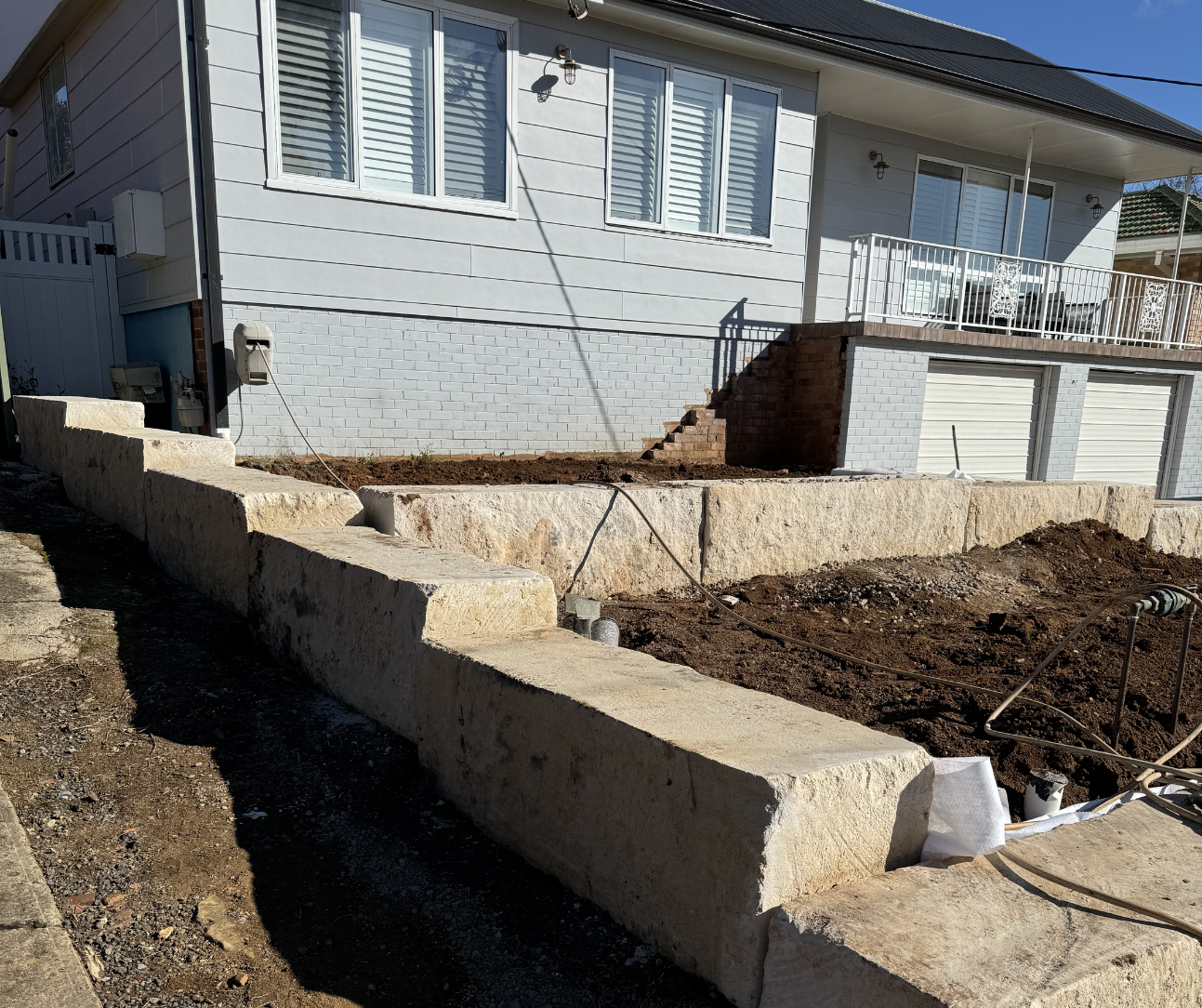
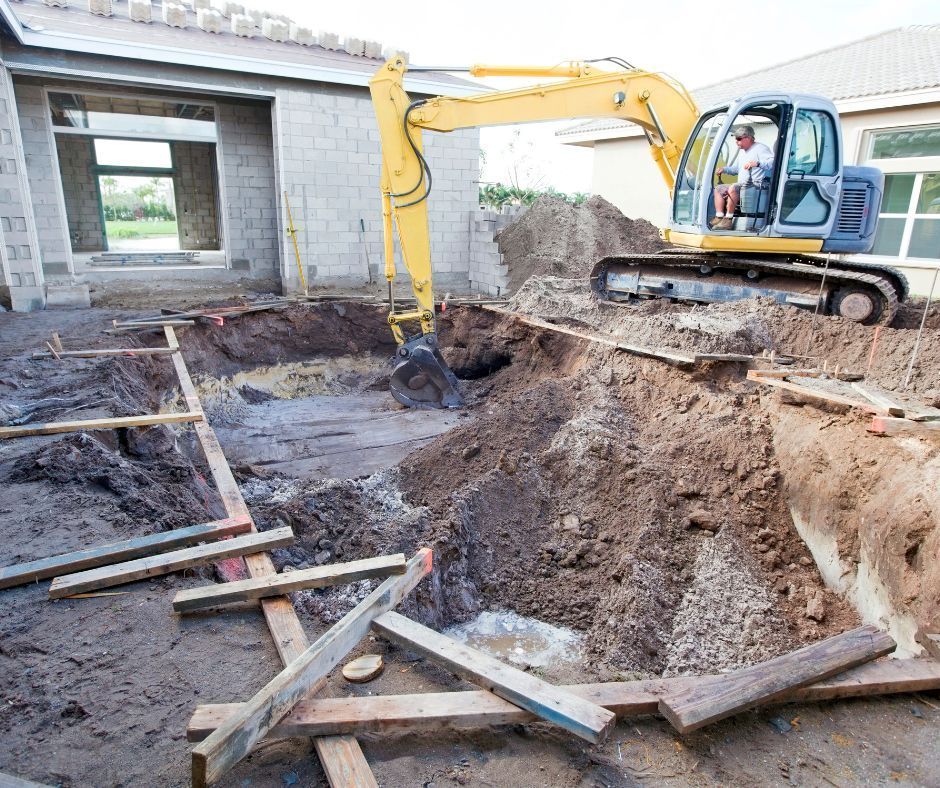
Excavation in construction is removing soil, rock, or other material to create space for building works. It is used for foundations, slabs, basements, drainage, retaining works, and service runs.
It happens early in the build programme and sets the levels and layout for everything that follows. This is the practical answer to what is excavation in construction on a real site.
Why Excavation Matters on a Building Site?
Excavation is where the build gets its first real test, because plans only matter if the ground matches them. Do this stage well, and the next trades walk into a site that is safe, level, and ready to work.
Stable Site Prep and Levels
A level, well-prepped site keeps the job moving because every trade relies on accurate heights and flat working areas. If levels are off early, you spend the rest of the build chasing fixes instead of making progress.
Foundations Need Correct Depth and Bearing
Footings and slabs need the right depth and a firm base, or you risk movement and cracking. Getting bearing right from day one protects the structure and reduces costly rework later.
Utilities Need Safe Trenches and Clear Routes
Service trenches must be dug to the correct line and depth so pipes and conduits sit safely and meet clearance rules. Clear routes also reduce service strikes, which can shut down a site fast and blow out budgets.
Drainage and Erosion Control Planning
Excavation shapes how water moves across the site, so good planning prevents pooling, washouts, and soggy subgrades. Basic erosion controls also stop sediment from leaving the site and causing compliance headaches.
Access and Temporary Works Planning
You need safe access for machines and people, plus clear routes to move spoil and materials. Ramps, edge protection, and support systems help keep the site safe and stable while the build gets underway.
Types of Excavation Used in Construction
Excavation is not one-size-fits-all because ground conditions and the job scope vary from site to site. Here are the most common excavation types and the methods used to carry them out.
Common Excavation Types (Job-Based)
Topsoil Excavation (strip and stockpile)
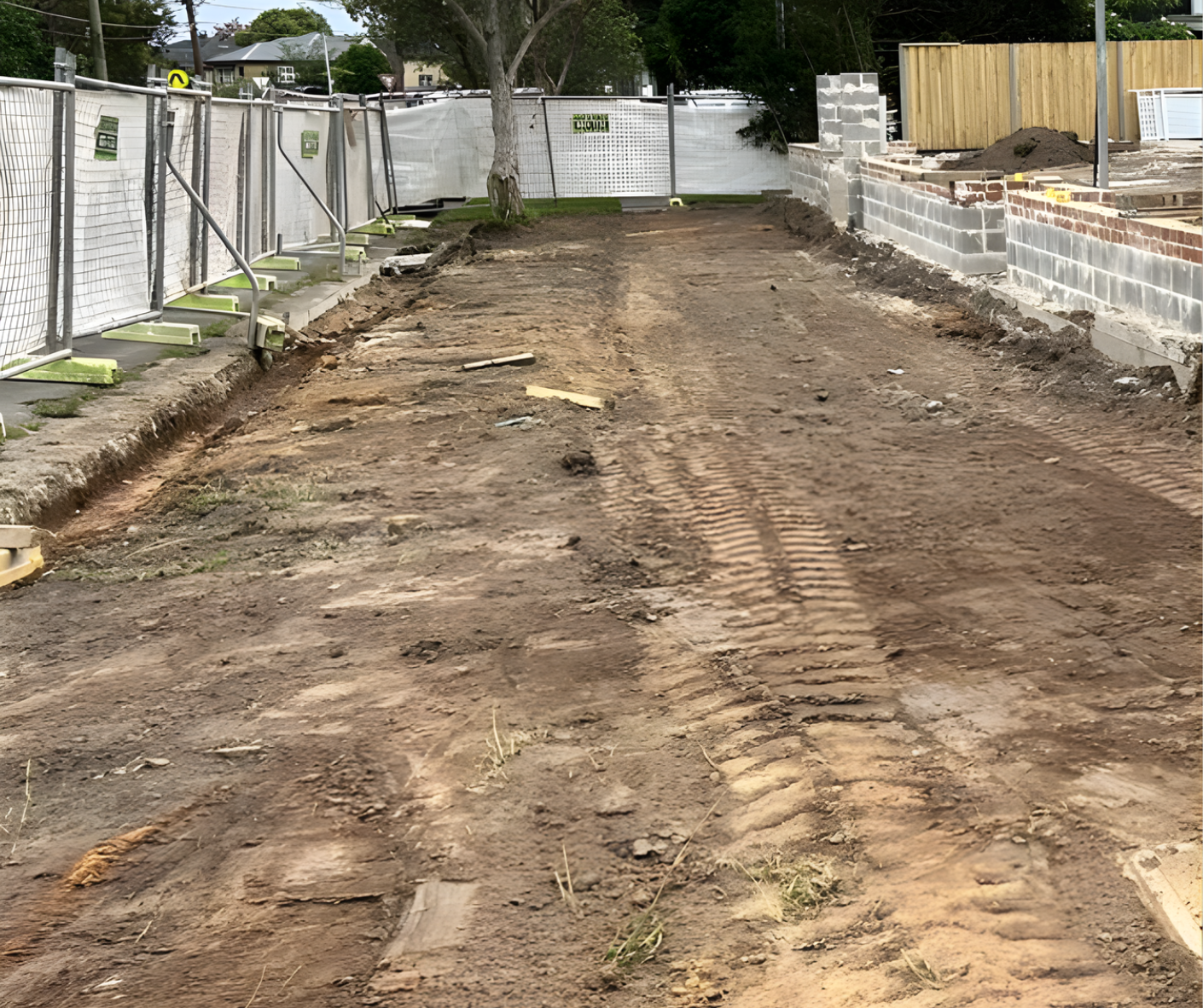
This removes the organic top layer before structural work begins. Topsoil is usually stockpiled for later use because it is not suitable for building support.
Earth Excavation
This is the standard digging through soil to reach design levels for slabs, footings, and pads. It often includes trimming and shaping to match set-out and drainage falls.
Rock Excavation
This involves cutting or breaking through rock when the material is too hard for normal digging. It may require specialist equipment like rock hammers or a rock saw.
Muck Excavation (wet, unstable material)
This is used when the ground is waterlogged and cannot hold shape or compact properly. The unstable material is removed and replaced with suitable fill or stabilised base material.
Cut and Fill
This levels a site by cutting higher areas and filling lower areas. It only works well when fill is placed in layers and compacted to the required standard.
Trench Excavation (services, footings)
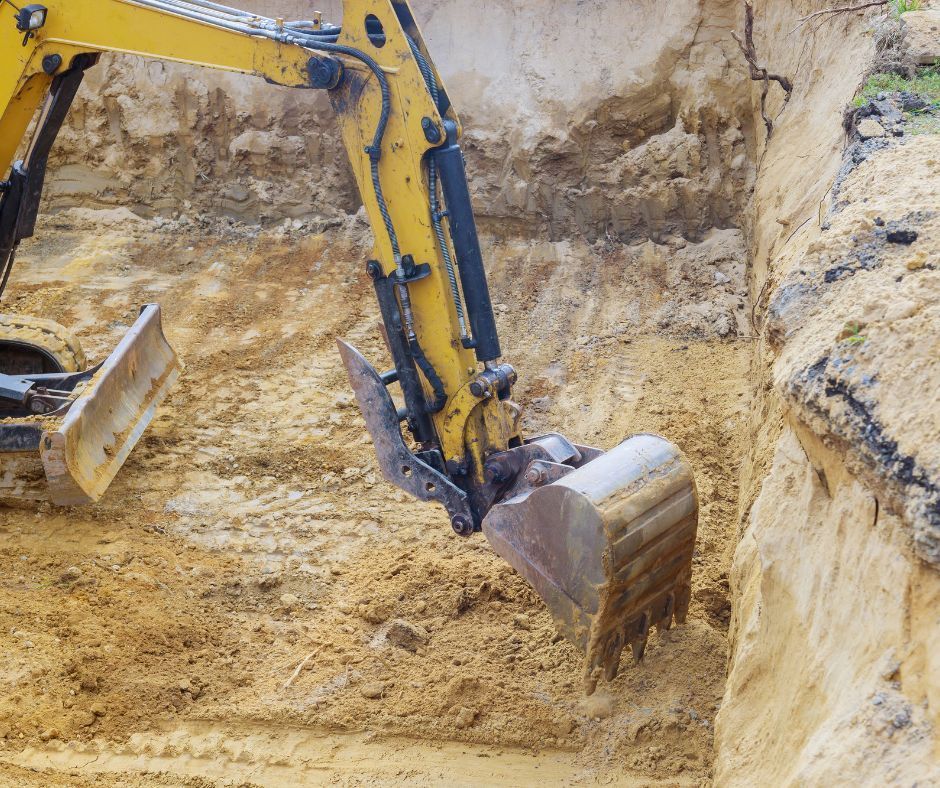
This creates narrow excavations for pipes, conduits, drainage, or footing trenches. Shoring or trench support may be needed to prevent wall collapse, especially in deeper or unstable ground.
Basement Excavation
This is a deeper excavation that forms space for basement levels and retaining structures. It usually needs careful planning for wall support, spoil removal, and water management.
Dredging (underwater)
This removes soil or sediment from below the water level, such as rivers, harbours, or dams. It is specialist work with different equipment, controls, and approvals than standard site excavation.
Technique-Based Methods You May See
Trenching (utilities, drainage, footings)
This method focuses on long, narrow cuts, often using trench buckets or trenchers. It is common for service runs and drainage lines where depth and alignment must stay consistent.
Drilling and Controlled Breaking for Rock
This method is used when vibration needs to be managed or when precision is important near structures. It can reduce damage risk compared to aggressive hammering in tight or sensitive areas.
Tunnelling (specialist scope)
This creates underground passages for services, transport, or access where open excavation is not practical. It is highly specialised and usually involves engineered support systems and strict safety controls.
Pre-Start Planning Before You Dig
Good excavation starts before the first machine arrives, because most delays come from missing details, not slow digging. A clear plan keeps the site safe, protects your set-up, and stops the job from turning into guesswork.
Scope and Excavation Phases
Define exactly what you are excavating and what “done” looks like at each stage. Split the work into phases like strip, bulk cut, trenching, backfill, and handover.
Survey Set-out and Levels
Confirm boundaries, offsets, benchmarks, and design levels before you start. If the set-out is wrong, every cut line and trench route will be wrong too.
Access Into the Cut and Around the Site
Plan how the plant and trucks will enter, turn, and exit safely. Include ramps, exclusion zones, and any tight access limits that will affect machine choice and productivity.
Spoil Stockpile Zones and Haul Route
Decide where spoil will sit, how it will be loaded, and where trucks will run. Keep stockpiles clear of edges, drainage paths, and work areas so the site stays stable and tidy.
Wall Support and Trench Support Systems
Identify where trench support or wall retention may be needed based on depth, soil conditions, and nearby loads. Choose the support method early so you are not making safety decisions under pressure on the day.
Safety Controls and Emergency Steps
Set traffic management, plant exclusion zones, service locating steps, and emergency access before digging begins. Make sure the crew knows stop points, who to call, and how incidents will be handled.
Check for Surprises on Redevelopments
Older sites often hide rubble, old footings, abandoned pipes, and uncontrolled fill. Allow time and budget for investigation and removal so surprises do not stall the programme.
Stop-Work Items and Potential Artefacts
Brief the crew on what triggers a stop work, such as suspected asbestos, heritage items, or unusual finds. Have a clear process so the site can pause safely and restart without confusion.
The Excavation Process Step by Step
A smooth excavation job follows a clear order with checks along the way. These steps match the on-site process most builders use.
1. Set Corner Benchmarks for Set-out
Start by confirming your benchmarks and reference points are set and secure. These control your lines, levels, and where every cut begins and ends.
2) Mark the Ground and Top Levels
Mark cut lines and service routes clearly so operators can follow the plan without guessing. Lime powder marking is common because it is quick to apply and easy to see on-site.
3) Strip Topsoil
Remove the topsoil layer before you start structural digging. Stockpile it neatly for later reuse, or load it out if it will not be needed.
4) Bulk Excavate to the Approved Depth
Excavate to the design depth and recheck levels as you go to stay on track. It is faster to correct a section early than to fix an overcut later.
5) Dress the Loose Soil and Check the Subgrade
Trim and tidy the base so it is ready for the next stage of work. Check density and ground condition, then stabilise soft spots if required.
6) Backfill to Cut-off Level if Required
Backfill with suitable material, such as engineered fill or aggregate, until you reach the cut-off level. Place it in layers and compact it properly so it holds its shape.
7) Dig Trenches for Drainage and Services Runs
Excavate trenches to the required line, depth, and fall for each service. Keep routes clear, manage spoil, and protect the trench edges as needed.
8) Confirm Building Boundaries and Final Set-Out
Recheck boundaries, offsets, and final levels before handing over. This is your chance to catch small errors before concrete or services lock them in.
9) Handover for the Next Trade
Leave the site tidy, accessible, and ready for footings, formwork, or service installation. Take a few photos and record key levels so QA is easy later.
Plant, Tools, and Attachments Used on Site
The right gear keeps excavation efficient and controlled. It also helps you protect set-out, services, and finished levels.
Hand Tools for Tight Work
Hand tools still matter when access is tight or services are scarce. Shovels, picks, crowbars, and rakes are often used for potholing, trimming edges, and final clean-up.
Excavators and Bulldozers
Excavators handle most digging, trenching, and loading tasks across residential and commercial sites. Bulldozers are useful for bulk push, site shaping, and spreading fill across larger areas.
Skid Steers for Compact Areas
Skid steers are handy on small sites where turning space is limited. They move spoil, load materials, and tidy stockpiles quickly without needing a large footprint.
Wheelbarrows and Mini-Excavators for Tight Access
Mini-excavators suit backyards, narrow side access, and spaces where larger plants cannot fit. Wheelbarrows still earn their keep for short runs, small spoil loads, and working around trades.
Hydraulic Hammers for Hard Material
Hydraulic hammers break up rock, old concrete, and hard layers that stop standard buckets. They are best used with a plan, because they add noise, vibration, and slower cycle times.
Safety and Quality Basics that Protect your Programme
Excavation safety and quality checks are not red tape; they keep the job moving. A small miss early can turn into a shutdown, a re-dig, or a nasty incident.
Trench Collapse Risk
Trenches can fail without warning, especially in loose or wet ground. Use shoring or trench support where conditions or depth make collapse a real risk.
Services Strike Risk
Do not assume plans are perfect or complete. Confirm service locations before you dig, and pothole key points so the bucket stays clear.
Spoil and Traffic Management
Keep haul routes clear so trucks and the plant can move without delays. Place spoil well back from trench edges and work zones to reduce collapse risk and keep access safe.
Soil Conditions can Change your Method and Timing
Ground can shift fast with rain, groundwater, or disturbed fill. Recheck conditions during the job and adjust the method, support, and compaction approach as needed.
Contaminated Soil and Disposal Plan
Contaminated material can stop a site quickly if it is not handled properly. Plan for testing, separation, and disposal early, because it is a common cause of delays and extra costs.
What Drives Excavation Cost and Time?
Excavation costs move fast when the ground does not match the plan. Timeframes also blow out when access, water, or disposal is harder than expected.
Volume and Depth of Cut
More material means more machine hours, more trucks, and more handling. Deeper cuts can also require extra trimming, benching, and safety controls.
Material Type
Topsoil is usually quick to strip and stockpile, but it is not structural. Rock and muck take longer, need different equipment, and often increase disposal costs.
Access and Site Constraints
Tight access limits machine size and slows loading and haul movements. Steep blocks, narrow driveways, and close neighbours can all add time and cost.
Need for Wall Support or Shoring
Shoring and support systems add labour, equipment, and setup time. They are often essential for safety, especially in deeper trenches or near structures.
Haulage Distance and Disposal Fees
Longer haul routes burn time and fuel on every load. Disposal fees can be a major line item, particularly for wet spoil, rock, or regulated material.
Weather and Water Management
Rain, groundwater, and poor drainage can slow digging and reduce ground stability. Dewatering and water control add steps, equipment, and downtime.
Unexpected Finds and Obstructions
Buried concrete, old footings, rubbish fill, and undocumented services can stop work quickly. These surprises often lead to rework, extra cartage, and programme changes.
Builder Checklist for a Smooth Excavation Handover
Use this checklist to hand over excavation works with clear levels, safe access, and fewer arguments later.
Set-Out Confirmed and Signed Off
Confirm benchmarks, boundaries, and offsets match the plan, then record the sign-off before the next trade starts.
Service Locations Confirmed
Verify service routes and crossings, and note any changes so installers are not working from guesses.
Excavation to Depth and Tolerances
Check depths and levels against the approved drawings, especially at footings, slab edges, and key trench points.
Subgrade Condition Checked
Inspect for soft spots, water, or disturbed ground, then stabilise or replace unsuitable material before pour day.
Spoil Managed and Site Tidy
Keep spoil back from edges and work areas, and leave clear access for formwork, steel, or service crews.
Trench Support Plan in Place if Needed
Confirm shoring or trench support requirements are met and documented before anyone enters or works alongside trenches.
Photos and Basic Records for QA
Take photos of set-out, trench lines, depths, and finished subgrade, and keep a simple record of key checks and dates.
Key Takeaways
- Excavation prepares the site for foundations, services, and drainage.
- Ground conditions affect the method, equipment, and timing.
- Strong planning covers access, spoil handling, support systems, and safety.
Set-out and levels must be checked often to avoid rework. - Rock, water, tight access, and disposal are the highest cost and time drivers.
Get Your Site Build-Ready with MRN Excavations
The goal of excavation is simple. You want a clean, safe, accurate platform that sets up the rest of the build for success.
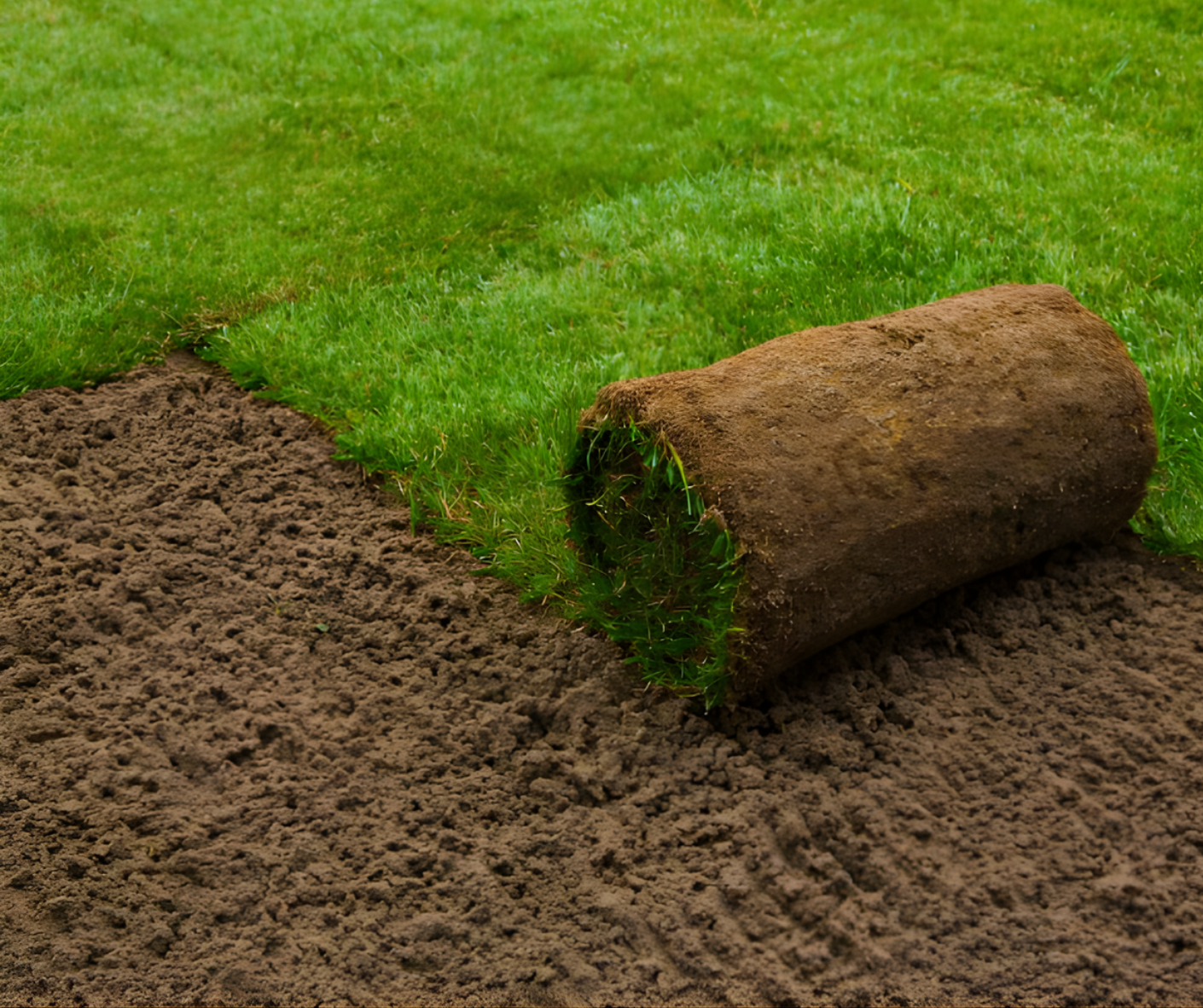
If you want the job done right the first time, book a site visit or request a quote from MRN Excavations. We handle excavations, screw piers, and lawn landscaping.
FAQs
1.What is excavation in building construction, and when does it happen?
- In building construction, excavation prepares the site and creates space for the foundation and services. It usually happens early, before footings and major structural work start.
2. What are the main types of excavation used in construction projects?
- Common types include topsoil, earth, rock, muck, cut and fill, trench, basement, and dredging. Each type matches the ground conditions and what the build needs.
3. What is trench excavation used for on a building site?
- Trench excavation creates long, narrow cuts in the ground. It is used for pipelines, sewer lines, utilities, drainage, and sometimes foundations.
4. What is cut and fill excavation, and when do you need it?
- Cut and fill levels the land by cutting high areas and filling low areas. You need it when the site must be made flat or stepped correctly for slabs, driveways, or large works.
5. How do you manage unstable ground like muck?
- Muck is a wet mix of soil and water that creates an unstable base. It is usually removed, then replaced with suitable material and compacted to spec.
6. What should you plan before you start digging on a construction site?
- Start with a site review and the excavation scope. Confirm boundaries and target depths, plan access and spoil zones, and confirm underground services information before excavation begins.
7. What equipment is commonly used for excavation work?
- Small jobs may use hand tools like shovels and picks. Most sites use excavators and bulldozers, plus skid steers and mini-excavators for tight access.
8. What safety controls reduce trench collapse risk?
- Use trench support systems like shoring or trench boxes where required. Match the control to trench depth, ground conditions, and nearby loads.
9. What affects excavation costs and timeframes the most?
- Volume, depth, ground type, access, support systems, disposal, weather, and unexpected obstructions all affect cost and time. Rock, water, and spoil handling are common budget breakers. For a clear, on-site view of what is excavation in building construction, focus on set-out, subgrade condition, and safe trenching practices from day one.