How to Excavate a Basement for Homeowners: Safe Guide
Basement excavation is specialist work, not a DIY job. If you are researching how to excavate for a basement, one wrong move can trigger a collapse or structural movement, which is why you need an engineer and a licensed contractor.
There are two common scenarios. A basement for a new home is simpler because you simply dig before the house is built, so access, spoil removal, drainage, and waterproofing are easier.
Excavating under an existing house is far more complex. You are working near or below footings while the home stays supported, so staged digging, shoring, and often underpinning are required.
It costs more and takes longer because the job prioritises control and safety, not speed.
What Does Basement Excavation Mean?
Basement excavation is the controlled process of creating a safe underground space below ground level. It is not just digging a bigger hole and hoping for the best.
It combines excavation, ground support, drainage control, and structural protection in one plan. Each part keeps the site stable as work progresses.
What Basement Excavation Includes:
Digging and Spoil Removal
You excavate to the engineered depth and shape, in planned stages. You also need a spoil plan for trucks, access, and legal disposal, because soil piles up fast.
Soil Support and Retaining Systems
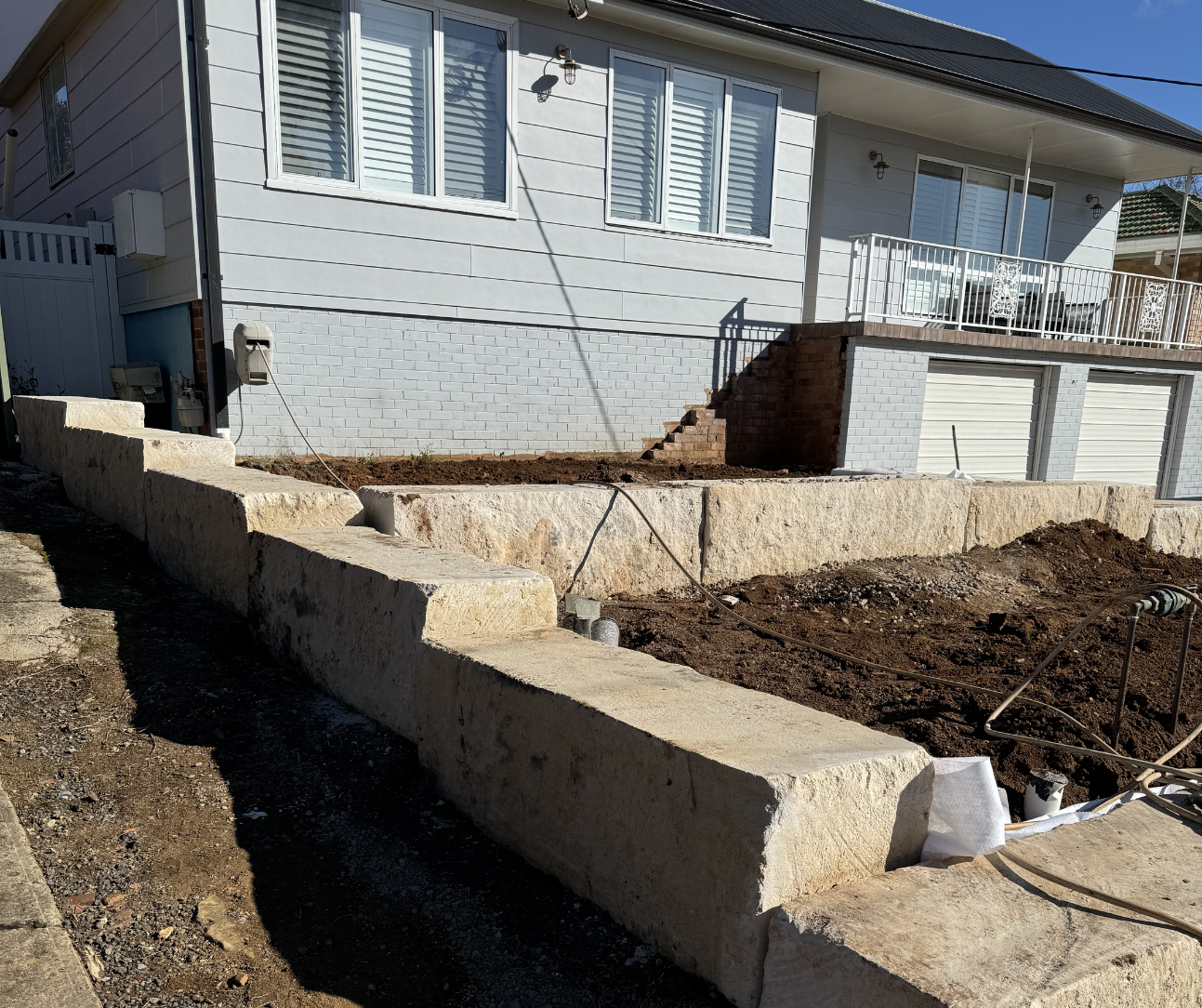
Soil does not politely stay where you left it. Depending on depth and conditions, the site may need shoring, bracing, battered slopes, retaining walls, or anchors to prevent collapse and movement.
Drainage Planning
Water changes the job overnight, especially after rain or a deeper cut. Drainage planning controls groundwater during the dig and sets up long-term drainage, like perimeter drains and a sump.
Protecting the Foundation and Structure
If you are near an existing house, the structure is the priority. That can include underpinning, staged excavation, and monitoring to keep footings supported and minimise movement.
How to Excavate the Basement: Check if Your Home is Suitable
Not every home is a good basement candidate. Before you start planning for how to excavate a basement, here is a quick suitability check that can save you weeks of quotes that go nowhere.
Site Constraints to Assess Early
Existing Foundation Type
Your footing type affects how you support the structure during excavation. Older or shallow footings often need more engineering input.
Soil Type and Stability
Soil type controls how safely you can cut and support the ground. Unstable or reactive soils usually mean more shoring and higher costs.
Slope and Nearby Structures
A sloped block can increase excavation complexity and drainage demands. Neighbours, retaining walls, and tight setbacks can also limit your method choice.
Water Table and Groundwater
Groundwater can flood the excavation and soften the base. If the water table is high, you may need dewatering and stronger waterproofing.
Red Flags to Watch for Before You Excavate
Cracks or Movement
Existing cracks can signal movement that excavation may worsen. Get an engineer to assess it before any digging starts.
Flooding History
Past flooding means water will keep coming back. Expect extra drainage, waterproofing, and ongoing maintenance needs.
Very Limited Access for Machinery
Tight access slows the job and increases labour. It can also restrict equipment choice, which pushes costs up.
How to Excavate for a Basement with Planning, Permits, and Engineering
Basement excavation runs smoother when the paperwork and engineering are sorted first. It also keeps your budget from getting ambushed halfway through the dig.
Who You May Need to Hire
Structural Engineer
A structural engineer designs how the excavation stays safe and how the structure stays supported. They also specify staging if you’re digging near existing footings.
Geotechnical Input if Required
A geotechnical specialist checks soil conditions and groundwater risks. Their report helps lock in the right support method and drainage approach.
Licensed Excavation Contractor
A licensed contractor brings the plant, crew, and job sequencing that the basement work needs. They should also understand spoil removal, access limits, and site safety controls.
Permits and Approvals to Plan for
Local Building Permits
Most basements require building approval and engineered documentation. Inspections often form part of the permit pathway, so factor that into timing.
Utility Locating Approvals
You need service plans before you dig, even if the yard looks clear. Confirm locations early so you do not hit a cable, pipe, or hidden service.
Party wall or Shared Wall Requirements (if relevant)
Pre-Start Checklist
Soil Report or Soil Assessment
A soil report shows what you are digging into and how it behaves. It also supports safer engineering decisions and more accurate quotes.
Method Recommendation
Choose the excavation method based on soil, access, and depth. Your engineer should sign off on the approach before work starts.
Drainage and Waterproofing Plan
Water control needs to be planned from day one, not after the first storm. A proper plan covers groundwater during excavation and long-term protection.
Spoil Removal Plan
Work out how spoil gets out and where it goes before machinery arrives. If access is tight, plan smaller loads and more trips to avoid site chaos.
Methods Used When Excavating a Basement
There’s no one-size-fits-all way to excavate a basement. When you are planning how to excavate for a basement, the safest method depends on soil, depth, access, and nearby structures.
Common Basement Excavation Methods
Open Cut Excavation (slope or cantilever)
This method cuts the sides back on a slope, so the ground supports itself without vertical walls. It works best when you have space and the site allows battering.
Top Down Excavation
Top-down excavation builds structural elements as you dig, so the site stays supported as it deepens. It suits tight blocks, but it needs careful engineering and sequencing.
Bracing Method
Bracing uses internal supports to hold excavation walls in place while soil is removed. It’s common when you cannot slope the sides due to boundaries or nearby structures.
Anchored Method
Anchored systems use ground anchors to stabilise retaining walls and limit movement. It can reduce the need for internal bracing, but approvals and ground conditions matter.
Island Method
The island method leaves a central block of soil in place as temporary support while the outer areas are excavated. The “island” is removed later once permanent support is installed.
Underpinning for How to Excavate a Basement Under an Existing House
Underpinning strengthens and deepens an existing foundation so the house stays supported while excavation happens nearby or below. It is typically required when you need to excavate under an existing home, dig below the current footing level, or work close enough to the footings that the supporting ground could be disturbed.
How to Choose a Basement Excavation Method
Desired Depth
Deeper basements need more ground support, so open-cut excavation may not be suitable. The deeper you go, the more likely you will need bracing, anchoring, or a top-down method.
Soil Conditions
Stable, dry soil often fits simpler excavation with minimal support. Soft clay, loose fill, or high groundwater usually require staged digging and engineered shoring.
Budget Range
If site conditions allow, lower budgets suit simpler methods with fewer specialist systems. Higher budgets can cover heavier shoring, anchors, and monitoring that reduce risk on tricky sites.
Project Timeline
If you need speed, choose a method that suits quick mobilisation and steady progress without constant redesign. If the timeline is flexible, you can stage the dig and support works to manage risk and cash flow.
Access to Equipment
Tight sites and limited access can rule out large machinery, even if the plan calls for it. If access is restricted, plan for smaller equipment, more manual handling, and a spoil removal strategy that actually works.
Step-by-Step Process in Excavating a Basement
Basement excavation works best when you treat the basement excavation as a clear sequence, not a mad dash with a digger. Each step protects the structure, the neighbours, and your budget.
Step 1. Prepare the Site
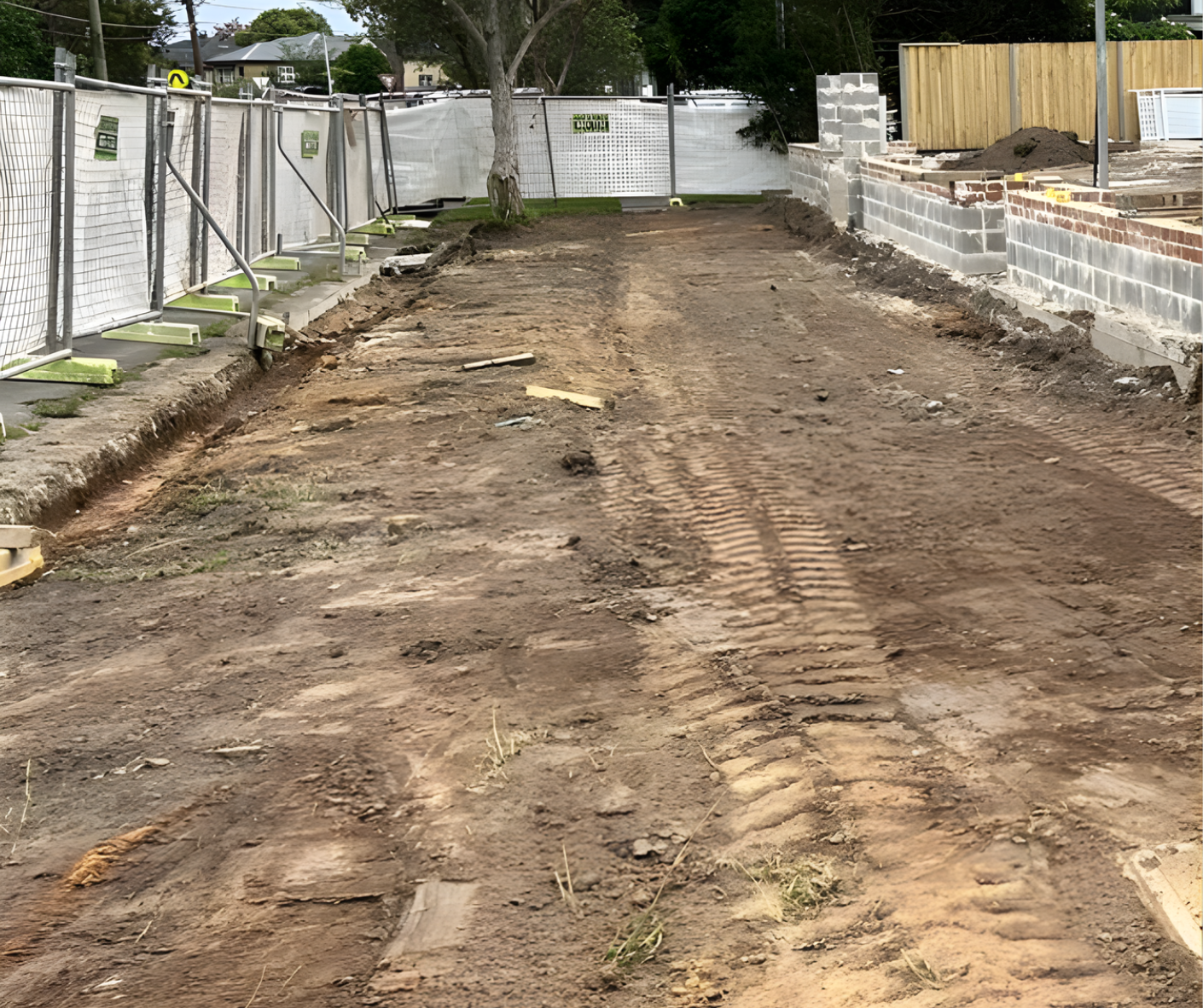
Set out the footprint with clear lines and reference points so the dig stays true. Protect boundaries, landscaping, and access routes so machines and trucks can move without damage.
Step 2. Call Before You Dig and Dark Utilities
Confirm underground services early, so you avoid hitting cables, pipes, or drains. Keep markings visible and updated as the site changes, especially after rain or heavy traffic.
Step 3. Install Shoring and Soil Retention
Install shoring or bracing before the walls get too deep to stay stable on their own. If a retaining system is specified, build it to the engineer’s design before progressing.
Step 4. Excavate in Stages
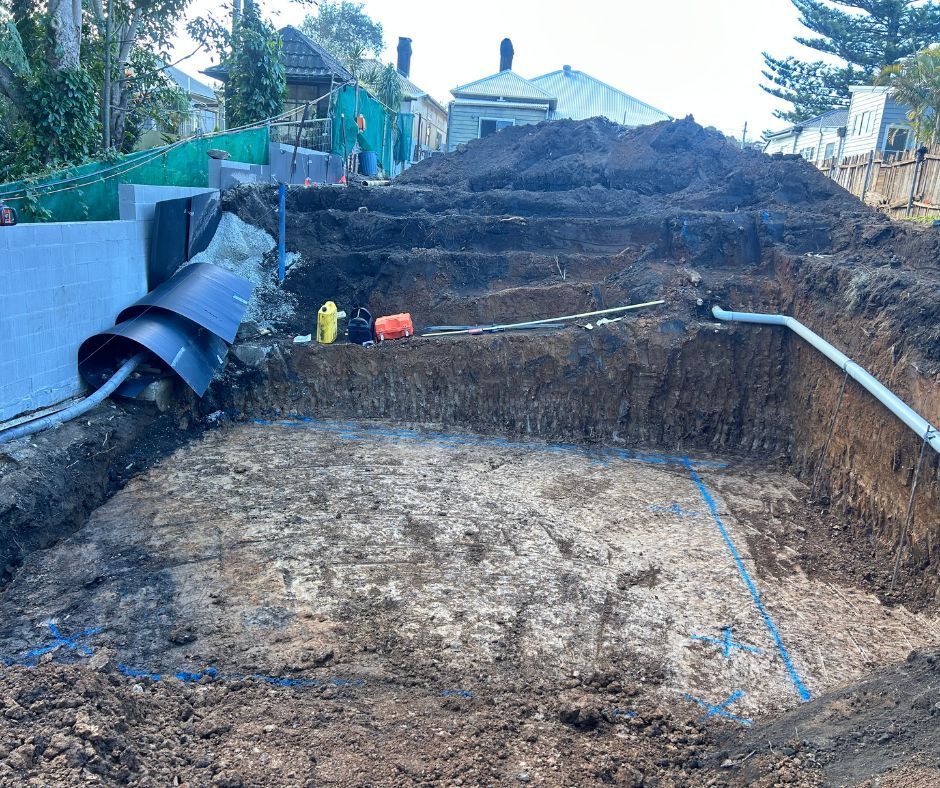
Dig in planned lifts so the ground stays supported and manageable. Remove spoil safely and monitor for movement or settlement as the excavation gets deeper.
Step 5. Manage Groundwater During Excavation
Pump out water as needed and keep the base dry so the ground stays firm and stable. Protect nearby footings by controlling water flow and reducing ground movement.
Step 6. Build the Basement Foundation
Prepare the footings and base so the concrete sits on a clean, stable surface. If underpinning is needed, follow the sequence, then pour the concrete and let it fully cure before adding any load.
How to Excavate for a Basement: Waterproofing and Drainage
Waterproofing Options Homeowners Should Know
Tanking Systems
Tanking creates a continuous waterproof barrier on the walls and slab to block water entry. It needs careful surface prep and clean detailing at joints and penetrations.
Drainage Membranes
Drainage membranes manage water by directing it down to drains instead of holding pressure against the wall. They work best when paired with reliable perimeter drainage.
Perimeter Drains and Sump Pumps
Perimeter drains capture groundwater at the base of the walls and direct it away before pressure builds up. Sump pumps provide backup when gravity drainage is not possible or during heavy rain.
Drainage Details That Matter
Fall to Drains
Set a clear fall so water naturally flows to the right outlet point. Check levels during installation so the fall does not disappear over the run.
Backfill Materials
Use free-draining backfill so water moves through it rather than pooling against the wall. Avoid heavy clay backfill because it holds moisture and increases pressure.
Surface Water Control Away from the House
Shape the ground so rainwater runs away from the walls, not towards them. Manage downpipes and runoff early so water drains away instead of pooling at the excavation edge.
Safety Essentials for Excavation
Excavation carries serious risks, even on a small residential site. A few basic rules prevent serious injuries and costly damage.
Key Safety Rules
Never enter an excavation unless it is properly supported and approved for entry. Use the correct PPE every day, and keep children and pets well away from the work zone.
Preventing Collapse and Movement
Install the correct shoring for the soil type and depth before the excavation gets too deep. Check the site daily and plan for rain, so water does not weaken the ground or cause movement.
Costs and Timelines
Main Cost Drivers
Depth and method choice, soil or rock conditions, and access constraints all affect the amount of labour, equipment, and support required. Spoil removal distance and dewatering needs also add cost, especially when disposal sites are far or groundwater is active.
Timeline Factors
Permit lead times and inspection scheduling can slow the start, even before the first bucket hits the ground. Underpinning staging and weather delays can stretch the program, so build in breathing room for wet weeks.
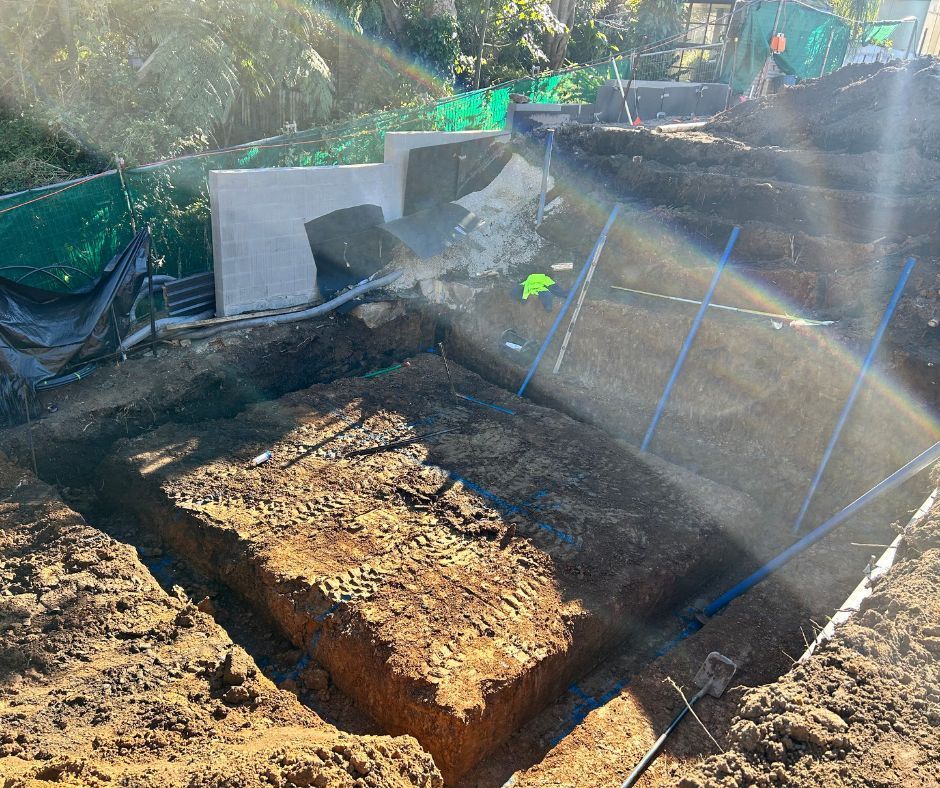
Plan Your Basement Dig With MRN Excavations
MRN Excavations helps you plan your basement excavation properly, with the right support from day one through to the final dig. If you are researching how to excavate basement sites safely, we handle excavations, screw piers, and lawn landscaping so your block stays stable and ready for the next stage. Bring in engineering advice early to lock in the right method and avoid costly changes later.
Contact us today to discuss your site and get a clear plan in place.
FAQs
1. Can I excavate a basement myself as a homeowner?
- Most homeowners should not excavate a basement themselves because of the risk of collapse and structural risks. You can handle planning tasks like quotes, permits, and site prep, but hire licensed pros for digging and support.
2. How deep can you go when excavating a basement safely?
- Safe depth depends on soil type, groundwater, and the support system used. Any depth that needs shoring or underpinning should be designed by an engineer.
3. What is underpinning, and when is it used when excavating a basement?
- Underpinning strengthens and deepens an existing foundation so it can support the house during deeper excavation. It is used when you excavate for a basement under an existing home or below current footings.
4. What is the safest method for excavating a basement under an existing house?
- The safest approach is a staged excavation with engineered shoring and underpinning. The best method depends on your soil, access, and house structure.
5. How do contractors prevent collapse during basement excavation projects?
- They use shoring, bracing, or retaining systems to support soil and nearby structures. They also excavate in stages and monitor movement throughout the job.
6. How do you deal with groundwater when excavating a basement?
- Contractors use drainage planning, sump pumps, and sometimes dewatering systems to keep the dig dry. They also pair this with waterproofing and perimeter drainage for long-term protection.
7. How long does it usually take to excavate a basement?
- Simple excavation with good access can take weeks, not days. Excavating under an existing home often takes longer due to staging, inspections, and underpinning.
8. How much does excavation cost in typical projects?
- Costs vary widely based on depth, access, soil, and groundwater conditions. Get multiple detailed quotes that separate excavation, spoil removal, shoring, and waterproofing.
9. What soil types make excavating for a basement more difficult?
- Loose sands, soft clays, and soils with high water content can be harder to support safely. Rock can also increase cost and time due to specialised equipment.
10. Will excavating damage my foundation or crack walls?
- It can if excavation is not engineered, staged, and monitored correctly. Done properly, risk is managed, but minor movement is still possible in some homes.