Summer Lawn Mowing: Timing, Height and Watering Tips
Summer makes lawns grow fast, then punishes them for it. One warm week can turn your yard into a shaggy carpet. One hot afternoon can turn it brown. That is why lawn mowing in summer needs a slightly different routine.
In summer, grass loses moisture faster, and heat stress builds quickly. If you mow too low or at the wrong time of day, the damage shows up fast. The lawn looks scalped, patchy, and tired.
Follow a summer-smart mowing plan, and your lawn stays greener with fewer brown patches. You will get cleaner cuts, better recovery, and less water wasted to evaporation.
Why Summer Changes Everything?
Summer pushes lawns harder than other seasons. Heat and wind dry out the leaf and soil fast, and low rainfall limits recovery. That is why mowing mistakes show up quickly, with burnt tips, patchy colour, and slower regrowth.
The biggest mistake is scalping, which means cutting too low and removing too much leaf. In summer, that missing leaf exposes the soil, speeds up evaporation, and puts extra strain on the roots. The goal is simple: keep the lawn neat while reducing stress.
Summer Lawn Mowing Checklist at a Glance
Here’s a Summer lawn mowing checklist to keep your grass healthy, green, and stress-free in the heat.
Time of Day
To prevent the grass from being stressed by the highest temperatures, mow in the early morning or late afternoon. Cooler mowing times also reduce water loss and help your lawn bounce back faster.
Mower Height
Set your mower slightly higher than in winter to protect the soil from sun and heat. Taller grass shades the roots and helps the lawn hold moisture longer.
One-Third Rule
Only cut off the top third of the grass blade in one mow to avoid shock and scalping. If it’s overgrown, raise the height and mow twice a few days apart.
Sharp Blades
Sharp blades slice cleanly, so the grass heals quickly and stays greener. Dull blades tear the tips, which can cause browning and make the lawn more prone to disease.
Watering Plan
Water deeply a few times a week so moisture reaches the root zone, instead of doing daily light sprinkles. Early morning watering is best because it soaks in properly and reduces evaporation.
Clippings Strategy
Mulch fine clippings back into the lawn to return nutrients and reduce fertiliser needs. If the grass is long or clumping, catch the clippings so they don’t smother the turf.
Best Time for Mowing Lawn in Summer
Mow in the early morning or late afternoon. These cooler windows help the grass hold moisture and recover faster. You also reduce the chance of burnt tips, since freshly cut grass is more sensitive to heat.
During a heatwave, use a simple rule. If the lawn looks dry, dull, or stressed, delay mowing. Give it a chance to bounce back before you take more leaf off.
When to Avoid Summer Lawn Mowing
Avoid mowing in the middle of the day, because the heat can stress the grass and leave it scorched and slow to recover. Also skip mowing right after heavy rain, since wet soil compacts easily and wet grass clumps and cuts unevenly.
How Short Is Too Short?
In summer, keeping the grass a little longer helps it stay healthier. A slightly higher cut shades the soil and helps roots stay cooler. It also slows evaporation, so your watering goes further.
Here is the big warning. Do not scalp it. Cutting too low is a common mistake, and it can trigger brown patches fast.
Height by Grass Type
Start with your grass type. Different lawns handle summer heat in different ways. Getting the height right keeps the lawn thick and less stressed.
Cool-Season Lawns (Rye, Fescue)
Aim for about 5 cm in summer to reduce stress and keep the roots cooler. This height also improves moisture retention and keeps the lawn looking fuller.
Warm-Season lawns (Buffalo, Couch)
Aim for around 2–4 cm in normal summer conditions for a neat, healthy finish. During extreme heat or in full-sun yards, raise the height a little to prevent scorch and drying.
One-Third Rule
Never remove more than one-third of the leaf in a single mow. If the lawn has taken off (hello, week of storms), lift the cutting height first, then gradually bring it back down over the next few mows. Your lawn will recover faster, and you’ll avoid that sudden “straw” look.
How Often Should You Mow?
Summer lawns can grow quickly. If you wait too long, you end up taking off too much at once and stressing the grass.
In summer, most lawns need mowing more often. Your schedule should shift with rainfall, irrigation, and recent fertiliser use, since all three can speed up growth.
Signs You’re Mowing Too Often or Not Enough
If you mow too often, the lawn can start to look tired. You may notice thinning grass and browning tips that do not bounce back.
If you do not mow often enough, the grass gets too tall between cuts. Then you have to remove too much leaf, and you break the one-third rule.
Preparation Before You Start the Mower
A clean prep makes summer lawn mowing faster, and the result looks better. Here are the preparations before you start mowing.
Clear the Lawn
Remove sticks, rocks, and toys before you mow. It protects the mower and stops the blade from being nicked.
A clear surface also helps you get a smoother, more even finish.
Starts With Sharp Blades
Sharp blades cut cleanly, so the grass heals faster. Blunt blades tear the tips, and the lawn looks ragged.
Check the blades often in summer, and sharpen or replace them if the grass tips look torn.
Safety Basics
Wear closed shoes and eye protection before you start. Small debris can flick up quickly.
Keep children and pets away from the mowing area until you are done.
Technique: Cleaner Cuts With Less Stress
If you’re mowing the lawn in summer, think “light and consistent”: steady pace, clean cut, and minimal stress.
Don’t Mow Wet Grass
Wet mowing clogs the mower, gives an uneven cut, and can leave clumps that smother the grass underneath. If it rained overnight, wait until the lawn surface dries out.
Mowing Patterns That Prevent Damage
Change direction each mow (north–south one week, east–west the next) to prevent ruts and keep growth more even. Slow down on turns to avoid scalping, especially on uneven ground.
Mulch or Catch Clippings
Mulch when you mow regularly and clippings are small, because they break down fast and feed the lawn. Catch the clippings when the grass is long or damp, so thick clumps don’t sit on top and block sunlight.
Watering: The Perfect Pair
Watering and summer lawn mowing are most effective. Water deeply but less often, and then mow when the lawn surface is dry for a clean, even cut.
Water at cooler times to reduce evaporation and help the soil absorb more. In breezy coastal areas around Wollongong, wind and sun can dry things out fast, so good timing makes a big difference.
Local Water Restrictions
Water rules vary by area and season. Before you commit to a watering schedule, check for updates from your local water authority or council.
When Soil Repels Water
Hydrophobic soil makes water run off instead of soaking in properly. A wetting agent and slower, deeper watering can help the moisture penetrate and spread through the soil.
Feeding: Fertilise Without Burning Your Lawn
Feeding helps your lawn stay thick and handle summer stress better. Timing matters, because heat makes fertiliser harder for stressed grass to handle.
Fertiliser Timing
Avoid fertilising on very hot days, since it can add extra stress and dry the lawn faster. Apply on a cooler day, then water it in as directed so nutrients move into the soil.
Aftercare Boost
Seaweed solutions can support recovery after heat and mowing stress. Use them as a supplement, not a replacement for a balanced fertiliser plan.
Lawn Mowing in Summer: Extras That Make a Big Difference
Small add-ons can make lawns easier to manage in summer. They also help water go further and keep grass growing evenly.
Aeration
Aeration opens the soil so water and air can reach the roots more easily. It is most useful if your lawn is compacted or gets lots of foot traffic.
Topdressing
Topdressing adds a thin layer of soil mix to help level bumps and improve soil quality over time. Keep it light so the grass is not covered and can keep getting sunlight.
When to Hire a Pro?
Hire a pro if your lawn is large, uneven, or hard to keep up with in summer heat. It also makes sense if you keep breaking the one-third rule or you are getting brown patches after mowing.
A good provider will mow at the right height and avoid scalping. They will also keep blades sharp, which means cleaner cuts and faster recovery.
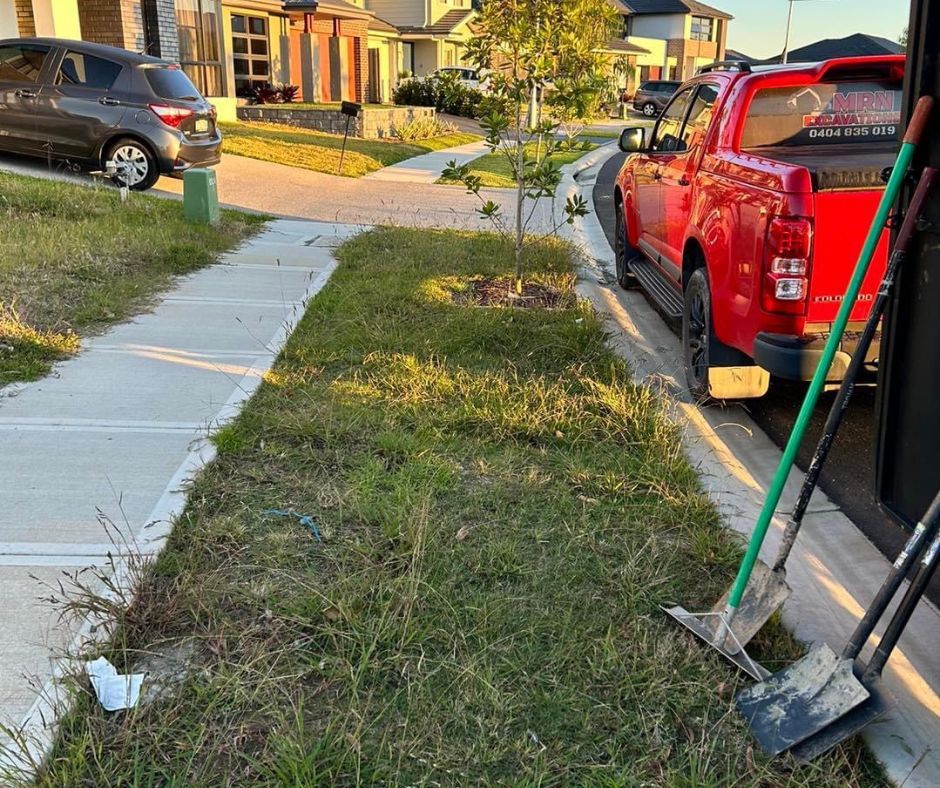
Mowing Lawn in Summer Wrap-Up with MRN Excavations
With MRN Excavations, summer lawn care stays simple and consistent. Mow early morning or late afternoon, keep the height slightly higher, and follow the one-third rule. Use sharp blades for a clean cut, then water deeply so roots grow stronger and the lawn handles heat better.
Use the checklist each week and adjust based on the weather. If it is hotter, drier, or windy, raise the mower height and mow less aggressively. If growth spikes after rain or fertiliser mow sooner so you are not cutting off too much at once.
Contact us for excavations, screw piers, and lawn landscaping, and we will build your outdoor space properly and keep it easy to maintain year-round.
Key Takeaways
Mow early in the morning or late in the afternoon to reduce heat stress and prevent burnt tips. Keep the mower height slightly higher in summer to shade the soil, protect roots, and retain moisture. Follow the one-third rule to avoid shock, and use sharp blades so cuts are clean and the lawn recovers faster. Water deeply and less often, and avoid watering during peak heat to reduce evaporation. Skip mowing wet grass, and manage clippings based on lawn length by mulching small clippings and catching heavy ones.
FAQs
1. How often should I mow in an Australian summer?
- In summer, most lawns require more frequent mowing due to their faster growth. Let lawn height guide you so you don’t break the one-third rule.
2. When is the best time of day to mow in summer?
- Early morning or late afternoon is best because the lawn is less stressed. Avoid midday mowing because heat can damage freshly cut grass.
3. How short should I cut my grass in summer?
- Cutting a little higher in summer helps shade the soil and protect roots. The exact height depends on your grass type, so adjust the mower accordingly.
4. Should I water before or after mowing?
- Watering after mowing lawn in summer can help the lawn recover in dry weather, but avoid mowing straight after watering because wet grass clumps and cuts unevenly.
5. Can I mow during a heatwave?
- It’s usually better to delay mowing during extreme heat because the lawn is under stress. If you must mow, raise the height and keep the session short.
6. Why does my lawn go brown after mowing in summer?
- Browning often happens when you cut too low or mow in hot conditions. It can also show up when blades are blunt and tear the grass.
7. Is it bad to mow wet grass?
- Yes, wet mowing can leave ruts, clog the mower, and create clumps that smother the lawn and cause patchy color.
8. Should I catch clippings or mulch?
- Mulching is great when you mow regularly because clippings are small and break down fast. Catch clippings when the lawn is long because thick clumps can block light.
9. How do sharp blades change results?
- Sharp blades make a clean cut that heals faster and looks tidier. Blunt blades shred grass tips and can increase stress in summer.
10. When should I hire a professional?
- Hire a pro if you can’t keep up with growth or your lawn is hard to mow evenly. A reliable service will mow at the right height and avoid scalping.