How to Lay Turf Grass Properly: Step-by-Step Guide for Homeowners
Great turf starts with the base, not the roll. If the soil is lumpy, tired, or soggy, your new lawn will show it fast.
This guide covers how to lay turf grass properly and how to keep it thriving. You will get a simple sequence for planning, prep, laying, and aftercare, without the guesswork.
A good turf job feels boring on day one. That is the goal. The “wow” comes later, when it is still green after week six.
What to Organise Before Turf Arrives
Do the organising first, then let the turf be the easy part. When the rolls arrive, you want to be laying, not hunting for tools.
Tools and Materials Checklist
Have everything on-site and ready to go. Turf dries out fast once it is off the pallet.
- Garden hose
- Lawn roller
- Rake
- Shears
- Soil spreader
- Starter fertiliser
- Tape measure
Timing and Access Plan
Leave turf until last in the yard project. It reduces foot traffic on fresh turf and keeps the base level.
Order turf for the day you can lay it. Turf is perishable, and delays can turn a fresh roll into a stressed lawn.
Choose a Turf Type That Suits Your Yard
Turf is not one-size-fits-all. Pick the wrong type and you will be watering, patching, and muttering at it all year.
Match Turf to Conditions
Start with sun vs shade, because light levels decide how well grass can grow and thicken. A shade-prone yard needs a turf that can cope, not one that demands full sun.
Next, factor in wear from kids and pets, since heavy traffic can thin out softer varieties fast. If your lawn is a play zone, choose a tougher turf that rebounds quickly.
Finally, think about access to good-quality water, because new turf needs consistent moisture to establish. If watering is limited or your water is harsh, pick a turf known for better tolerance once settled.
Decision Helpers
Which turf suits me? Quick quiz: How many hours of direct sun does the area get most days, and how hard will it be used. If the answer is “not much sun” or “lots of roughhousing”, you will need a turf matched to that reality.
If you are unsure, get local advice before you order. Local turf suppliers know what performs in your suburb, not just what looks best in a brochure.
Measure the Area and Order the Right Amount
A clean measurement is part of learning how to lay turf properly, because it stops you running short halfway through the job. It also helps you avoid paying for extra rolls you do not need.
How to Measure Quickly
Break the lawn into simple shapes like rectangles, squares, and triangles. Measure each shape, then add them together to get the total square metres.
Allow extra for trimming around edges, curves, and obstacles like garden beds and trees. These cuts add up quickly, especially in small or detailed yards.
Ordering Tip
Add about 5% extra to cover cuts and odd shapes. It is a small buffer that can save a big headache on laying day.
Soil Prep that Helps Turf Establish Fast
These are the steps on how to lay turf that ultimately decide whether it takes off or struggles. Get the base right and the grass will root faster and stay healthier.
Check Soil Condition First
Aim for a soil pH around 5.5 to 7 so nutrients are easier for the turf to use. Sandy soil often needs added organic matter, while clay usually needs loosening and amendments.
Clear, Loosen, and Level
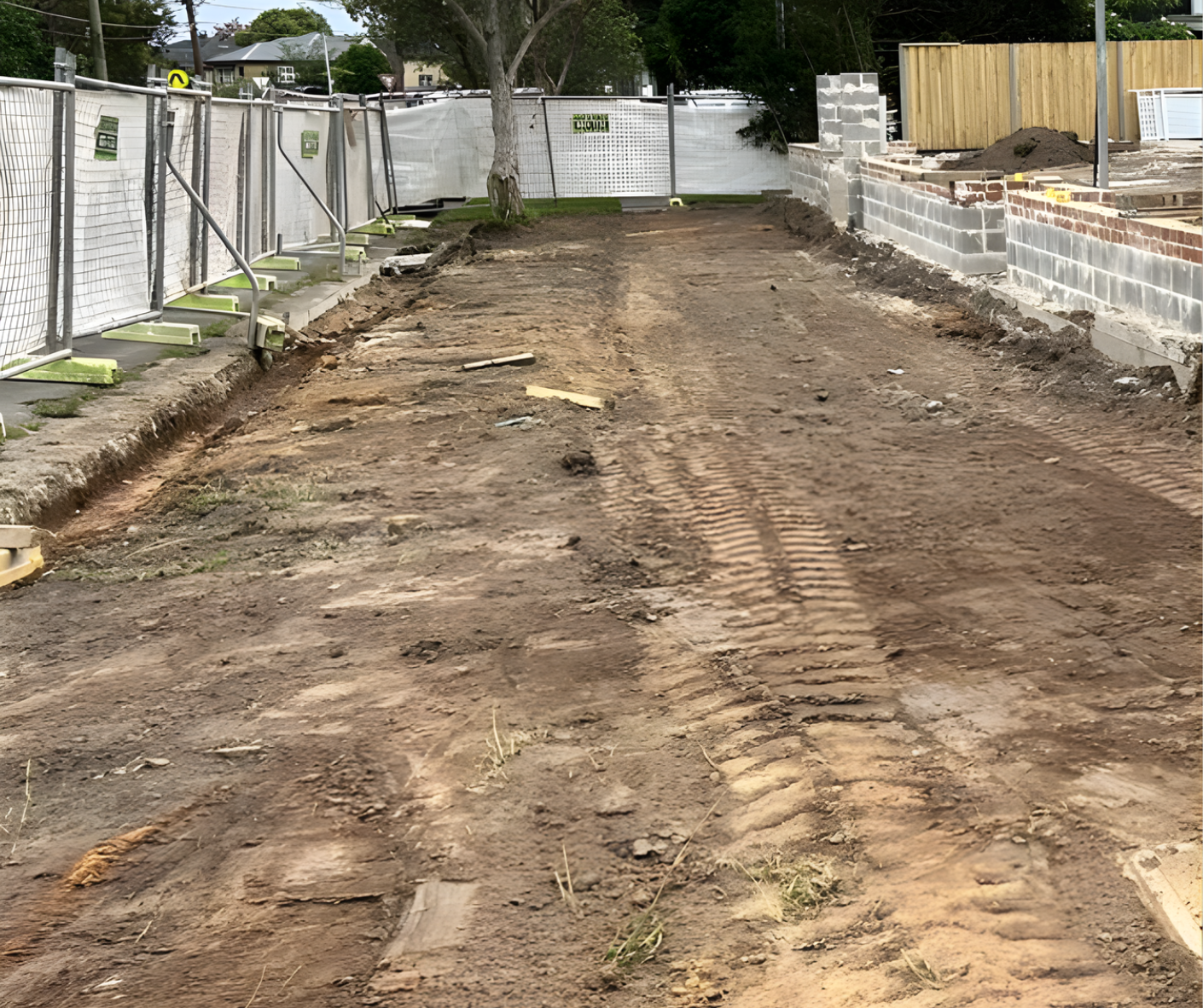
Remove debris, old turf, and weeds so nothing blocks root contact. Loosen the top layer, level it, and add 30 to 50 mm of lawn soil if the base is poor.
Get Levels and Drainage Right
Keep the soil about 30 to 40 mm below edges to allow for turf thickness. Shape the ground so water drains away and does not pool or run towards buildings.
Starter Fertiliser
Apply starter fertiliser after levelling and before the turf goes down. It helps roots establish faster and makes the early growth more even.
How to Lay Turf Grass Properly (Step by Step)
Here are the simple laying steps that lock the turf into the soil and keep the finish neat. Work in a steady order and you will avoid gaps, bumps, and trampled edges.
Lay Turf as Soon as Possible
Lay turf on the day it is delivered so it stays fresh and cool. In hot weather, lay in sections and water as you go to stop it drying out.
Start Straight and Work Smart
Start along a straight edge like a path or fence to keep rows tidy. Work back towards the exit so you are not stepping all over new turf.
Use a Brickwork Pattern
Stagger rows like brickwork so joins do not line up in long seams. Butt edges tight with no gaps or overlaps, and lay across the slope on sloping ground.
Cut and Fit Neatly
Trim around garden beds, trees, and borders so the turf sits snug and clean. Use shears or clean secateurs for sharp edges and less tearing.
Roll and Water Immediately
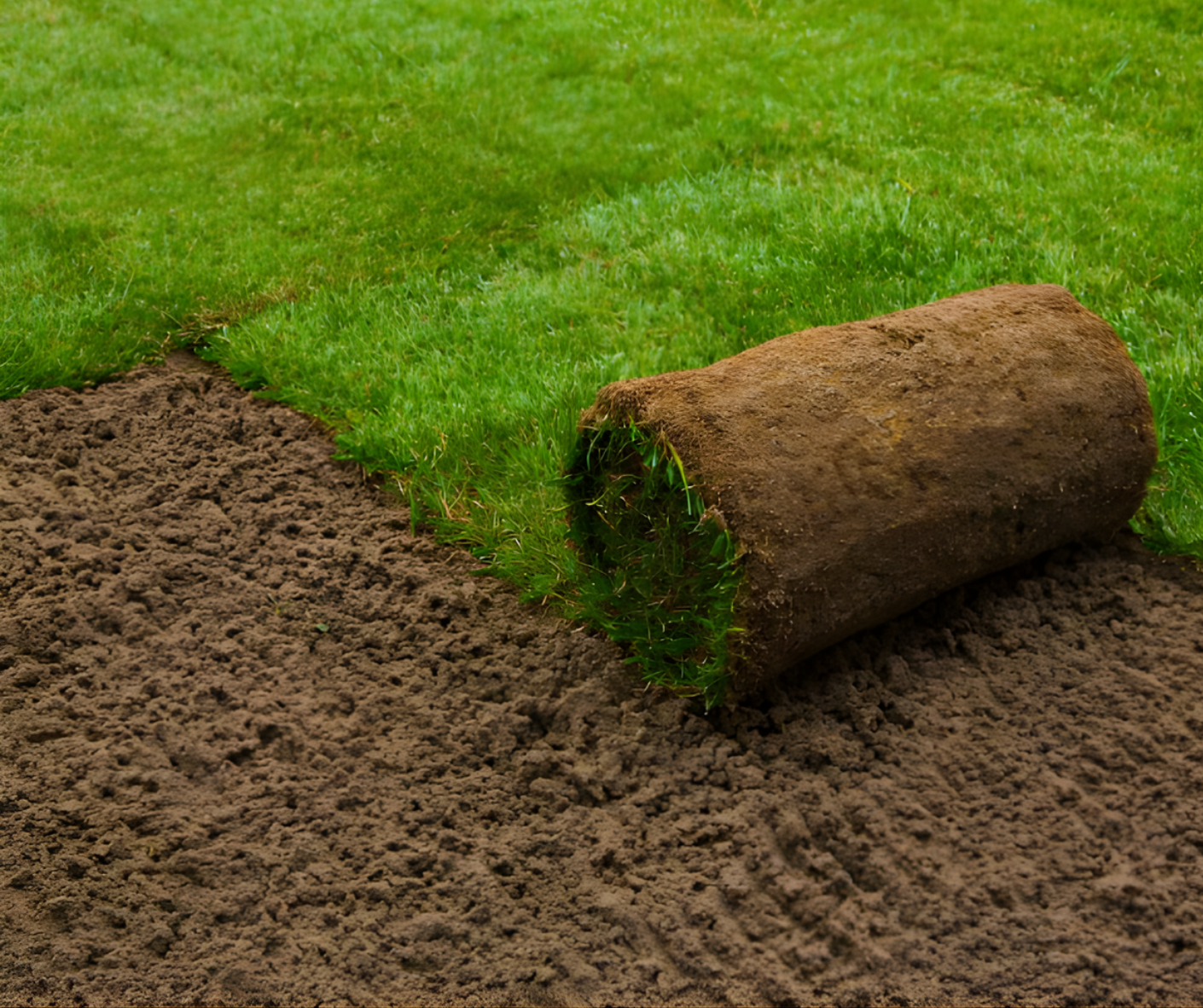
Roll the turf to press it into the soil and remove air pockets. Water deeply straight away so moisture reaches the soil under the turf.
Watering Plan for the First 6 Weeks
This is where new turf either settles in or starts sulking. A clear watering routine keeps the roots active and the lawn colour even.
First Two Weeks
Water at least twice a day to keep the turf consistently moist. In extreme heat, water more often, and stick to morning and early afternoon to reduce disease risk.
Avoid watering late in the day so the turf does not stay wet overnight. Check local water restrictions and adjust your schedule so you stay compliant.
Weeks Three to Six
Reduce watering as roots develop and begin to hold on. Aim for deeper watering sessions rather than lots of quick sprinkles.
Check rooting by gently trying to lift an edge. If it resists, the turf is bonding and you can keep tapering back.
Signs it Needs More Water
Edges can yellow early, especially in hot or windy weather. Watch for curling, dull colour, or a dry feel underfoot.
Grey or shiny turf can be a heat stress sign. If you see that look, water sooner and increase frequency until it bounces back.
First Mow, Feeding, and Routine Care
This is where your new turf turns into a proper lawn. A careful first mow and a sensible feeding rhythm will keep it thick and even.
When to Mow
Keep traffic off until the turf has rooted and resists a gentle lift at the edge. The first mow is often around four weeks, depending on growth and weather.
Mow on a higher setting first so you do not scalp the new grass. Lower the height gradually over the next few mows as the roots strengthen.
When to Fertilise
Fertilise around six weeks after laying, once roots are established and ready to use the nutrients. Use a lawn fertiliser that suits your turf type and season.
Keep a regular feeding cycle after that, around every 8 to 10 weeks. Adjust if growth slows in cooler months or speeds up in warm weather.
Problems to Watch for and Quick Fixes
Most turf problems show up early, so keep an eye on it in the first few weeks. Small fixes now can save you from patching half the lawn later.
Drainage Issues
Fix levels and water flow before turf goes down, because turf cannot correct pooling. If water sits on the surface, re-level the base so it drains away from buildings.
Turf Left Too Long on the Pallet
Turf can heat up fast on a pallet and start to burn, especially in warm weather. Lay it the same day where possible, and keep it shaded and lightly watered if there is a short delay.
Gaps and Low Spots
Gaps and dips usually come from poor joining or an uneven base. Roll the turf to improve contact, then top-dress later with fine soil once the lawn is established.
Seedhead Showing Early
Seedheads can pop up when the turf is stressed or growing unevenly. Check watering and nutrition, then keep mowing at the right height to settle it down.
When to Bring in a Turf Professional for How to Lay Turf Grass
If you have a large area to cover or you are racing a deadline, a turf professional can save the project. They will prep, lay, and finish faster, with tighter joins and fewer weak spots.
Call in help if drainage sits near the house, the block is steep, or access is awkward. It is also worth getting advice if you are unsure about soil condition or turf choice, because fixing the wrong call later costs more than doing it right upfront.
Get Your Lawn Base Right With MRN Excavations
A great lawn comes down to the basics done well. Correct prep, tight joins, rolling, and consistent watering are what help turf root fast and stay healthy.
Your next step is simple. Choose the right turf type, measure the area, then book delivery for a day you can lay it straight away.
If you want the groundworks handled properly before the turf arrives, contact us. MRN Excavations can help with excavations, screw piers, and lawn landscaping so your base is solid and your new turf has the best chance to thrive.
Key Takeaways
Spend most of your time on soil prep and levelling, because that is what sets the turf up to root fast. Lay the turf in a brickwork pattern with tight joins, then roll it to improve soil contact. Finish with a deep water straight away, and stick to a structured watering plan for the first few weeks so it settles in evenly.
FAQs
1. How long can turf sit on a pallet before it needs to be laid?
- When learning how to lay turf grass properly, aim to lay turf on the same day it is delivered. In cool, shaded conditions it may hold up to 24 hours, but quality can drop quickly.
2. How to lay turf grass properly on uneven ground?
- Level the base first by filling low spots and removing high spots. Firm the soil so the turf sits flat and makes full contact.
3. Should you water the soil before laying turf grass?
- Yes, lightly dampen the soil so it is moist but not muddy. This helps the turf roots start bonding to the base.
4. Do you need starter fertiliser when learning how to lay turf grass?
- Starter fertiliser is strongly recommended for faster root growth. Apply it to the prepared soil before you lay the turf.
5. How often should you water new turf in summer?
- Water often in the first two weeks, usually once in the morning and again later in the day. Keep the turf consistently moist and adjust for heat, wind, and local water rules.
6. When can you walk on turf after it is laid?
- Avoid walking on it for the first 10 to 14 days. Light foot traffic is usually fine once the turf resists a gentle lift at the edges.
7. When can you mow after you lay turf grass?
- Mow only after the turf has rooted and cannot be lifted easily. This is often around 3 to 4 weeks, with a higher first cut.
8. How do you lay turf on a slope so it does not slip?
- When working out how to lay turf grass on a slope, lay pieces across the slope and stagger the joins like brickwork. Peg the turf if needed and water gently to avoid runoff.
9. How do you fix gaps between turf rolls or slabs?
- Push edges together during laying and avoid stretching the turf. If small gaps remain, lightly fill with fine soil and keep it moist while it knits.
10. What soil pH is best for turf grass in Australia?
- Most turf grasses prefer a slightly acidic to neutral pH. Aim for about 5.5 to 7.0 for strong nutrient uptake.