What Is Bulk Excavation? A Homeowner's Guide to Bulk Earthworks
If your block isn’t level, your build can’t start. Your plans can be spot on, but if the ground is out of whack, nothing lines up.
That’s where bulk excavation steps in. It’s the big site-shaping stage that happens before slabs, footings, driveways, and drainage. Picture it as getting the block “build-ready” so the next trades are not battling bumps, slopes, or soft spots.
This guide breaks down what bulk earthwork excavations are, including the usual steps, what happens on site, and what to keep an eye on as the work moves along. We’ll also cover what pushes costs up or down, plus a few simple ways you can prep your property so the job stays smooth and on track.
What is Bulk Excavation in Construction?
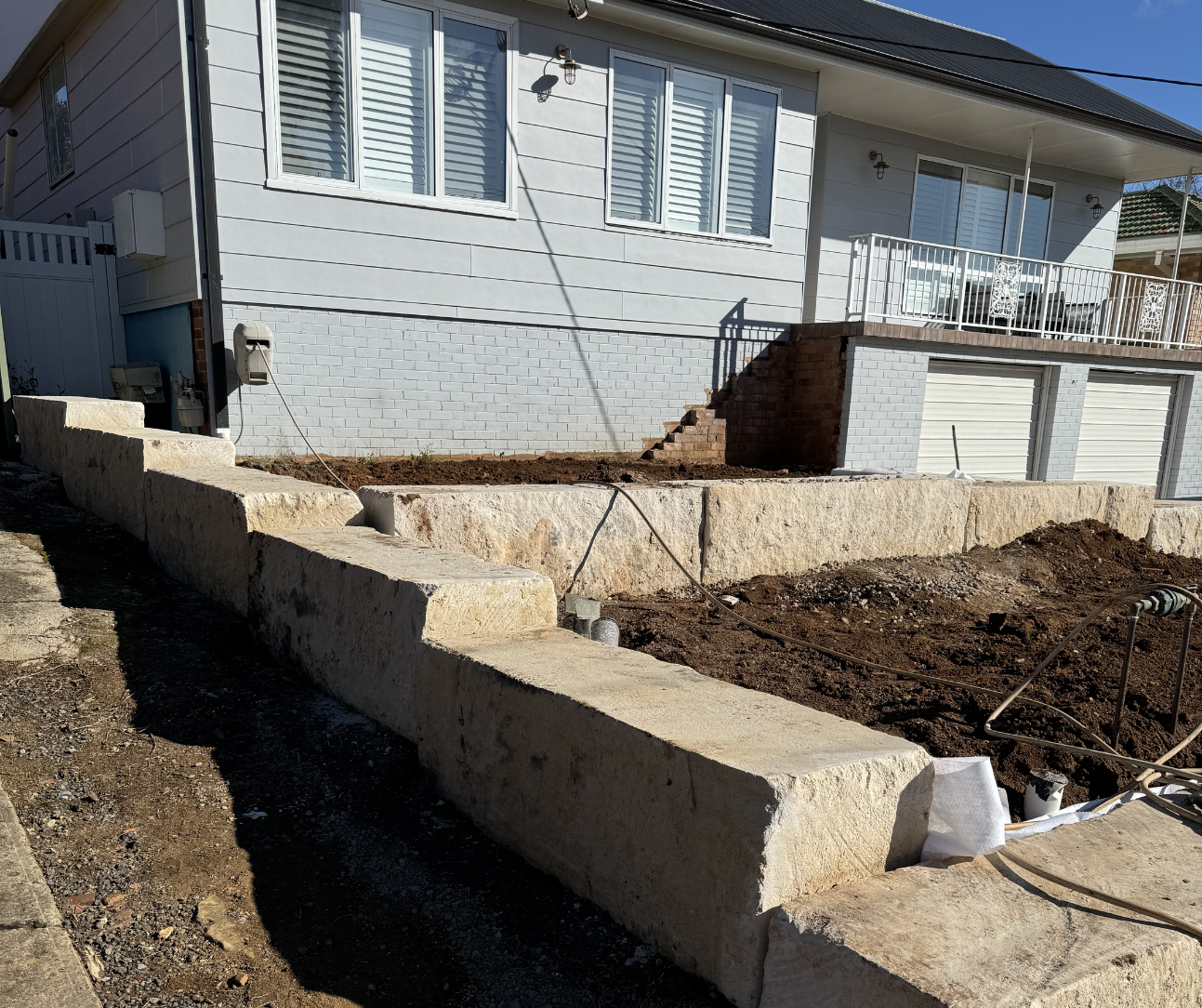
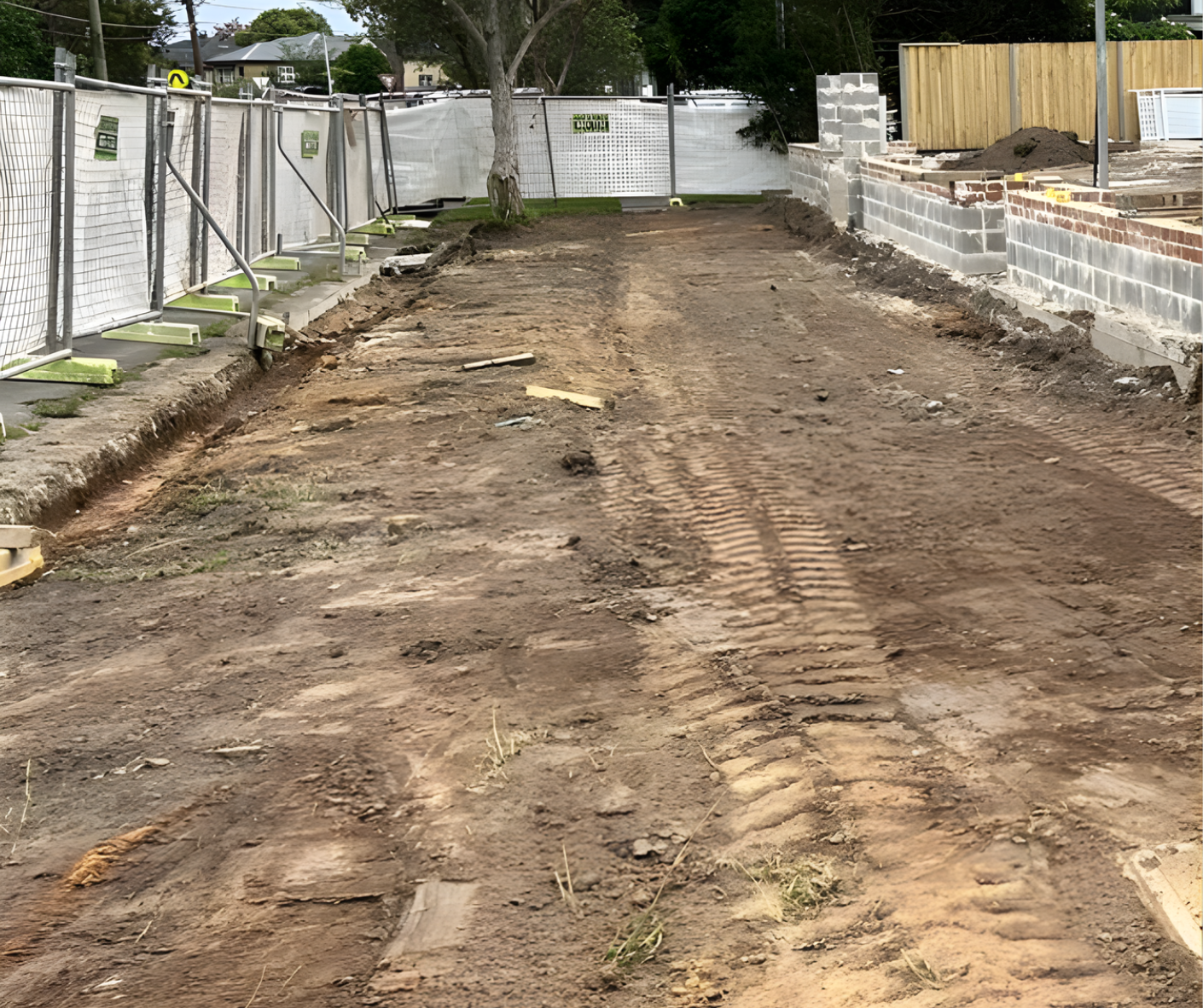
Bulk excavation is when a contractor moves a large amount of soil or rock to shape your block for building. It is done to get the whole site to the right levels, so the slab and drainage can be set out properly.
Instead of fixing one small spot, bulk excavation deals with the bigger picture across the full build area. Think of it as getting the ground to match the plan, not the other way around.
Site Levelling and Cut and Fill
Site leveling often uses a method called cut and fill. That means cutting down higher areas, then using that same material to build up lower areas.
When it works out, reusing soil on site saves money and hassle. It cuts down on waste, reduces truck movements, and means you are not paying twice to remove soil and bring fill back in.
Bulk Excavation vs Detailed Excavation
Bulk excavation is the rough-in stage. It moves large volumes of soil or rock across the whole site to get the block to the right overall levels.
Detailed excavation comes later and it is far more precise. This is where trenches, footings, pier holes, or a pool dig are cut to exact sizes and depths, so the next step can be built without guesswork.
In simple terms, bulk excavation sets the platform. Detailed excavation makes sure the important parts fit properly.
When Homeowners Typically Need Bulk Earthworks
You will typically need bulk earthworks when your block is sloped, uneven, or disturbed and it needs proper levelling before anything can be built. It is the step that gets the site ready for the build, not just a quick tidy-up.
For new home builds and knockdown rebuilds, bulk excavation sets the right levels for the slab and drainage, so water flows the way it should. It can also be needed for big extensions, where the new work must match the existing house levels for floors and stormwater.
Bulk excavation is also common for pools, retaining walls, and major landscaping where spoil needs removing and stable platforms need creating. Driveways and access paths often need it too, so the grade is safe and runoff does not end up heading straight toward the house or the neighbour’s fence.
Planning That Happens Before the Machines Arrive
Bulk excavation goes faster when the thinking is done upfront. A little planning now can save a lot of rework later.
Measuring Volumes and Matching Cut and Fill
Before the machines arrive, the aim is usually to balance cut and fill so the soil taken from high spots can be reused in low areas. Surveyors and engineers plan this early, and specialised software helps estimate how much material will move and where it should go across the site, so the job is mapped out properly instead of guessed on the day.
Understanding What You are Digging
The type of material on your block can change the whole job. Easy soils move quickly, but harder ground takes longer and may need different equipment, which can push up time and cost once you move beyond simple digging.
The Bulk Excavation Process Step by Step
Here are the main steps most bulk excavation jobs follow on a house site. Knowing the order makes it easier to track progress and spot problems early.
1. Site Assessment and Access Plan
The crew confirms entry points, where trucks can turn, and how machines will move safely. They also plan how to protect neighbours, fences, and nearby structures from vibration, impact, or stray spoil.
2. Services Check
Before any digging starts, utility plans should be requested through Before You Dig Australia. This helps reduce the risk of striking underground services and causing dangerous, expensive delays.
3. Set-Out and Levels
Survey set-out marks where cuts and fills need to happen across the block. Levels are checked so the excavation matches the design and drainage falls the right way.
4. Strip and Stockpile Topsoil
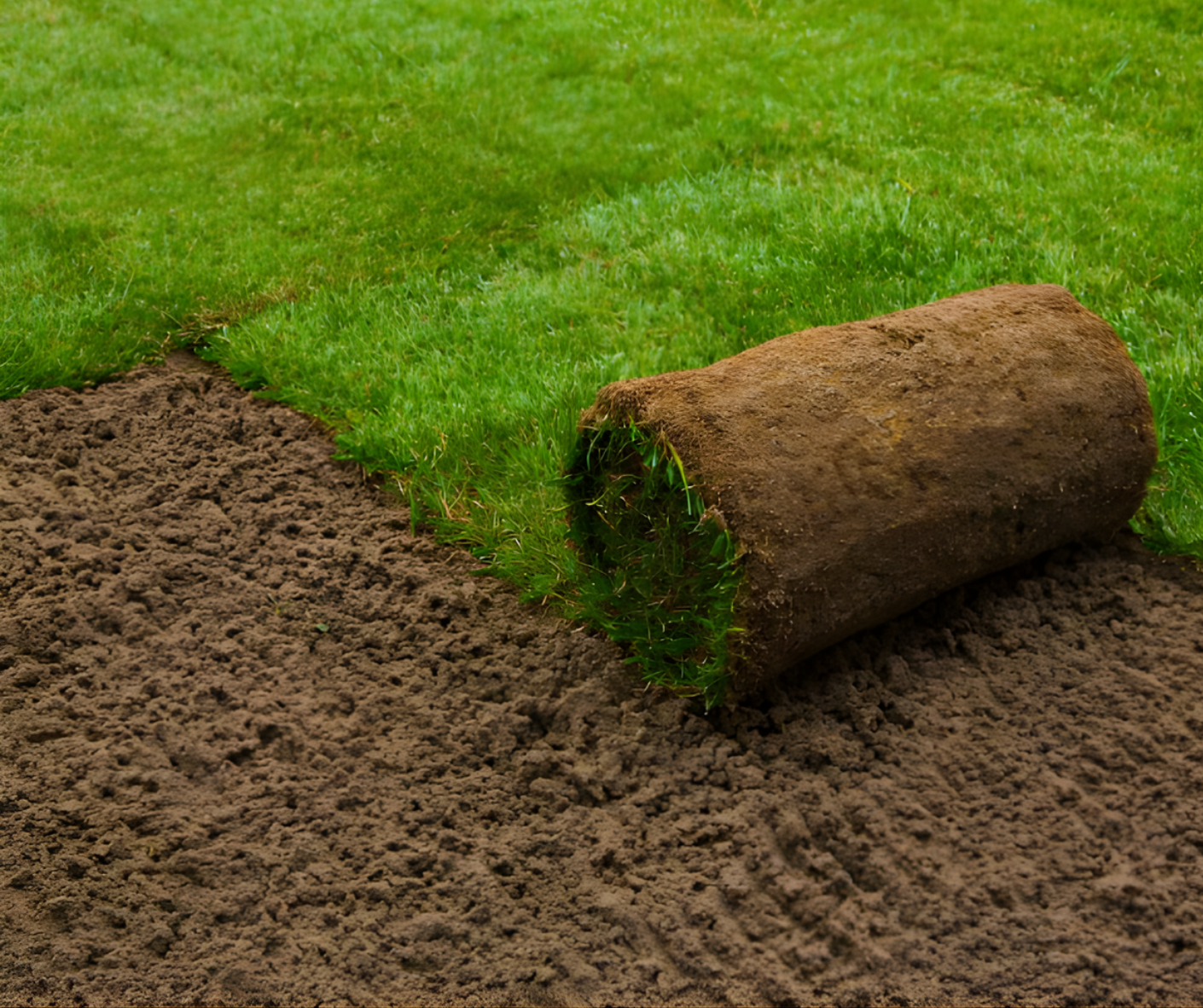
Topsoil is removed first and kept separate from clay or fill. This matters because topsoil is often reused later for landscaping and turf.
5. Bulk Cut and Fill
High areas are cut down and material is moved to build up low areas. The goal is to shape the site to the required levels across the whole work zone.
6. Move or Remove Spoil
Suitable material is reused on site first wherever it makes sense. Anything that cannot be reused is loaded out and trucked away for reuse elsewhere or disposal.
7. Compaction and Proofing
Filled areas are compacted so they are stable for what comes next. Proofing checks the surface soil condition and confirms the ground is ready for the next trade.
8. Final Trim Work
The contractor refines levels and edges so the site is neat and accurate. This final trim sets up detailed excavation or base works without rework.
What Equipment is Used for Bulk Excavation?
Here’s what you will usually see on a bulk excavation site. The exact mix depends on your block and what the ground throws up.
A Common Plant You Might See on Site
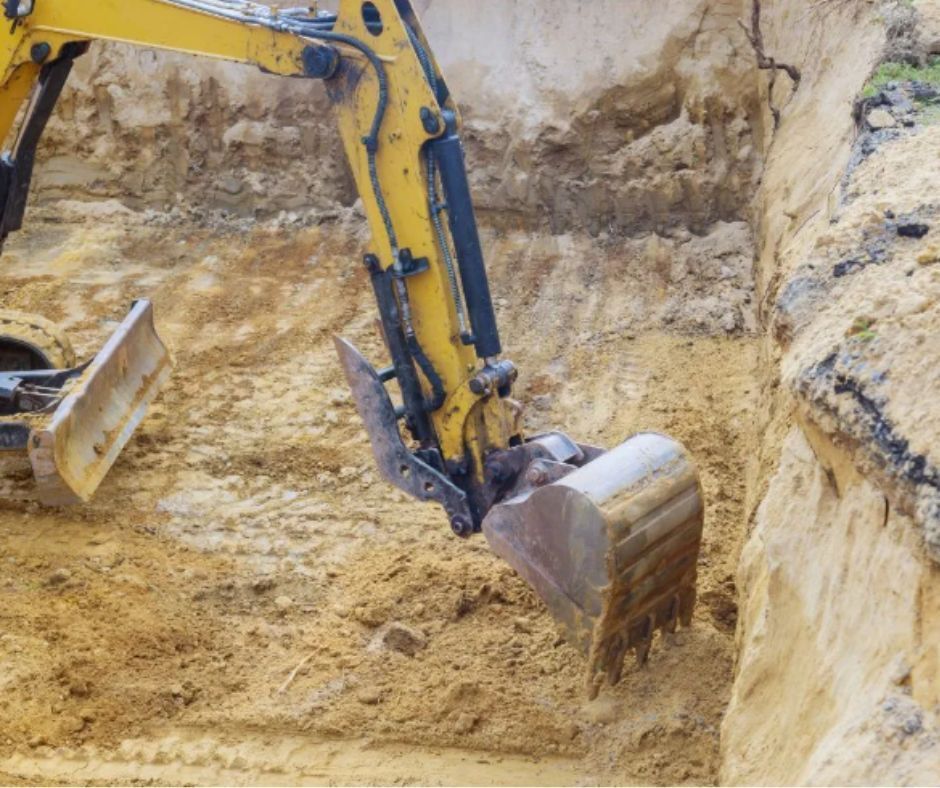
Most house sites use excavators working with dump trucks to move material quickly. You may also see graders, rollers, bulldozers, loaders, and backhoes depending on the job.
Equipment Changes Depending on the Site
The plant mix changes based on material hardness, access, and how tight the site is. Smaller machines may be used in narrow blocks, even if the volume is large.
What Happens With Rock and Hard Ground
Rock and hard ground often need specialised cutting and drilling attachments to break material before it can be moved. This approach can be a practical alternative to blasting in built-up residential areas.
Where Does All the Excavated Soil Go?
Soil does not just disappear once it is dug up. Where it ends up can make a real difference to cost and site logistics.
Reuse On-site First
If the material is suitable, contractors will often reuse it on site as fill. This reduces waste handling and can cut the cost of bringing in extra fill later.
Removal and Disposal
If the soil cannot be reused, it is usually trucked away for reuse elsewhere or for disposal at an approved facility. Extra cartage and tipping fees can add to the total cost, especially if there are multiple loads.
Safety, Neighbours, and Keeping Your Site Compliant
Bulk excavation is not just about moving dirt fast. It also needs to be safe, tidy, and compliant so you do not end up with damaged services or a council complaint.
Utility Safety
Always obtain service plans before any digging starts, even if the block looks clear. It lowers the risk of striking underground cables, pipes, or drains and causing expensive delays.
Erosion and Sediment Control Basics
Many councils require practical controls to stop muddy runoff leaving the site during earthworks. Common measures include a stabilised entry, sediment fencing, stockpile management, and progressive stabilisation as areas are finished.
How Much Does Bulk Excavation Cost for a House Site?
Bulk excavation costs vary from site to site. Even blocks that look similar can price differently depending on the ground and how much material needs moving.
The Biggest Factors That Change the Price
If you are pricing up what is bulk excavation in construction, the cost usually comes down to two things: how much material needs moving and whether cut and fill can be balanced on site. When the soil can be reused instead of trucked out, you cut down the number of loads and the budget tends to stay tighter.
Timeline Expectations
Many residential bulk excavation jobs take anywhere from a day to several days. Access, weather, and material hardness can stretch the timeline, especially if rock is involved or trucking is slow.
Choosing the Right Bulk Excavation Contractor
The right contractor will save you money by doing the basics properly the first time. The wrong one will leave you with rework, delays, and a site that looks like it has been through a war.
Questions Homeowners Should Ask
- What similar residential sites have you completed?
- How will you confirm levels and manage cut and fill?
- What is your plan for services and safe digging checks?
- How will you manage sediment and keep the street clean?
- What is included in the quote, including cartage, disposal, compaction, and clean-up?
Key Takeaways
Bulk excavation gets your block to the right levels so construction can begin, which is the simple answer to what is bulk excavation on a house site. Reusing soil on site can reduce truck loads and help keep costs down. Pricing changes mainly based on how much needs moving, how easy the site is to access, and what the ground is like. Before digging starts, request plans through Before You Dig Australia to help avoid hitting underground services.
Get a Bulk Excavation Quote from MRN Excavations
Bulk excavation is the stage that gets your site to the right levels, so slabs, drainage, and access can be done properly. If the cut and fill is planned well, it can save time, reduce truck movements, and keep the job running smoothly.
MRN Excavations brings insured, experienced operators and a safety-first approach on every site. Alongside bulk excavations, they also handle excavations for all types of residential projects, screw piers, and lawn landscaping to help you finish the job neatly once the heavy work is done.
Want a clear scope and a straight answer on what your site needs? Contact us to organise a bulk excavation quote and get your project moving.
FAQs
1. What is bulk excavation?
- It is the large-scale removal or movement of soil and rock to shape a site for building. It helps achieve the correct levels across the block.
2) What is bulk excavation in construction used for?
- It prepares the ground so foundations, slabs, and drainage can be built correctly. It is common when a site needs major levelling.
3) What are bulk earthwork excavations?
- They involve cutting, moving, or adding large amounts of material to reach planned site heights. They often aim to balance cut and fill to reduce waste.
4) What is the difference between bulk and detailed excavation?
- Bulk work shapes the whole site and moves large volumes. Detailed excavation focuses on precise areas like footings, trenches, or pools.
5) How long does bulk excavation take for a house site?
- Many residential jobs take from a day to several days depending on size and access. Rock, wet ground, and extra cartage can add time.
6) What happens to the soil after excavation?
- If it is suitable, it can often be reused elsewhere on your site as fill. If not, it is trucked away for reuse or disposal, which can increase costs.
7) Do I need to check for underground services before excavation?
- Yes, you should request service plans before any digging to reduce the risk of damage. Before You Dig Australia provides a single point to request this information.
8) What machinery is typically used for bulk excavation?
- You will often see excavators working with dump trucks, loaders, graders, dozers, and rollers. The exact machines depend on the ground type and site access.
9) Can bulk excavation be done in rocky ground without blasting?
- Sometimes, yes, using specialised cutting and drilling attachments. This can be a practical alternative in built-up residential areas.
10) How do I prepare my property before the excavation crew arrives?
- Clear access, remove fragile items near the work zone, and confirm boundaries and plans with your builder. Also ask about sediment controls so mud does not track onto the street.