How to Level a Bumpy Lawn: Easy Steps for a Smooth Lawn
If your mower keeps scalping high spots, you are not imagining it. A bumpy lawn turns a quick mow into a patchy mess, and it can be a genuine trip hazard too.
Low spots are just as annoying. They hold water, breed mozzies, and leave your lawn looking tired even when you are doing all the right things.
The good news is you can fix most bumps with a simple method first. If you are working out how to level a bumpy lawn at home, start by setting expectations early. Most lawns need more than one pass, and the best results show up over a few weeks, not a single Saturday afternoon.
At MRN Excavations, we have spent the past 13+ years preparing sites and shaping lawns across Sydney, Wollongong, Penrith, and Campbelltown. Owner-operator Mat has worked on every kind of bumpy lawn there is, from settled fill on brand new builds to backyards that have shifted over decades. The steps below follow the same approach we use on real jobs, scaled down for the home version.
Quick Answer: How to Level Out a Bumpy Lawn
A bumpy lawn usually has small rises and dips. Here is how to level out a bumpy lawn based on the depth, so you do not smother the grass.
Slight Bumps
Roll or tamp the area when the soil is slightly damp. Use light pressure so you do not compact the ground.
Mild Dips
Spread a thin layer of topdress mix and rake it level. Keep grass tips visible so it can grow through.
Deep Low Spots
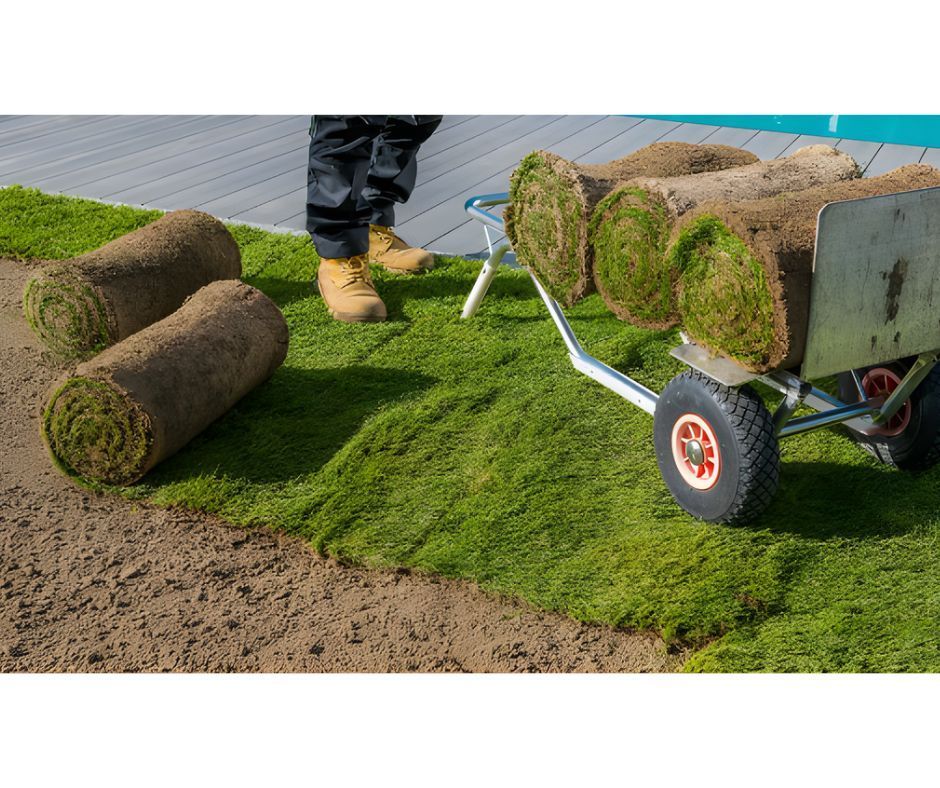
Lift the turf and add soil to raise the base. Lay the turf back down and water well to help it re-root.
Very Uneven Lawns
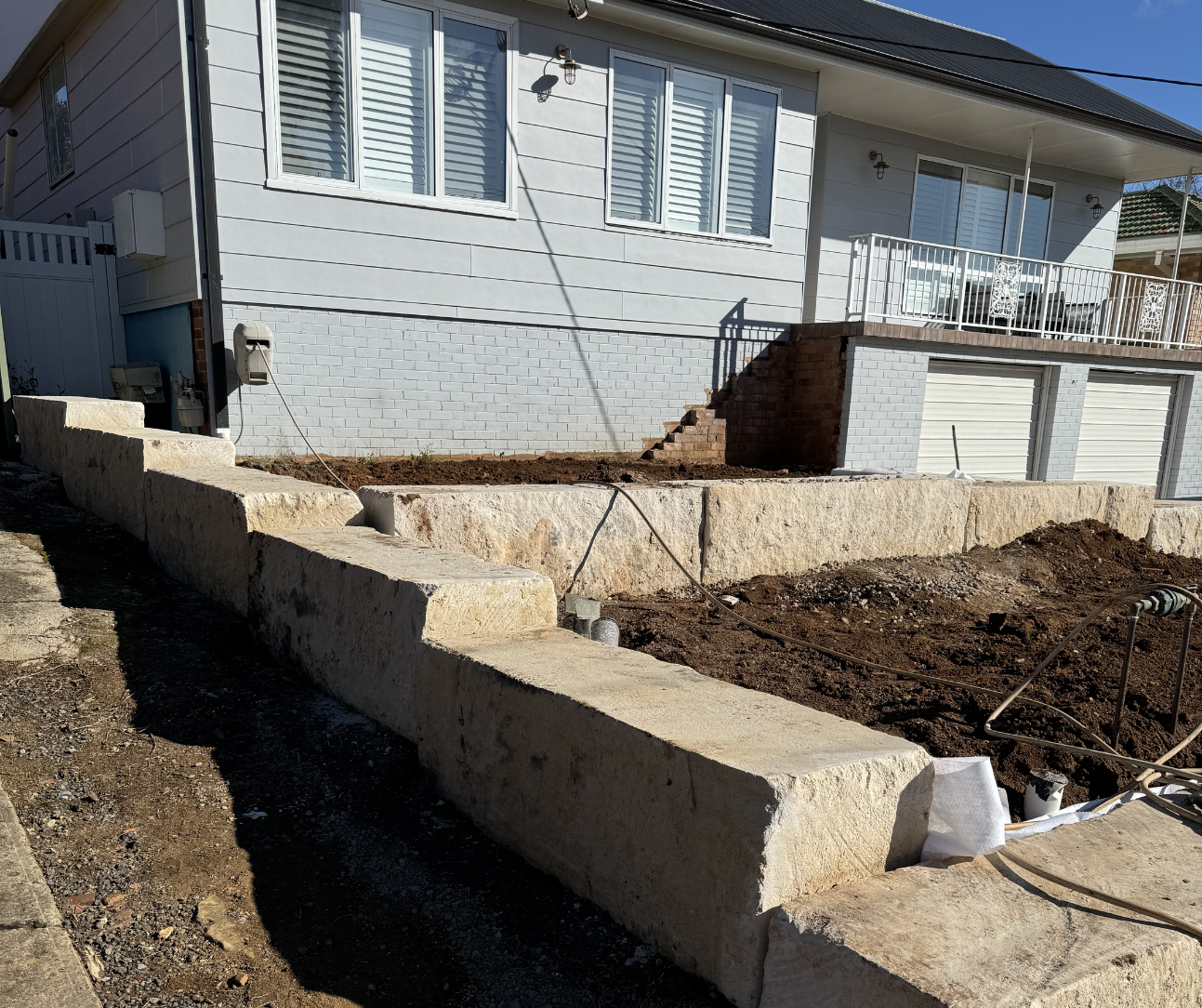
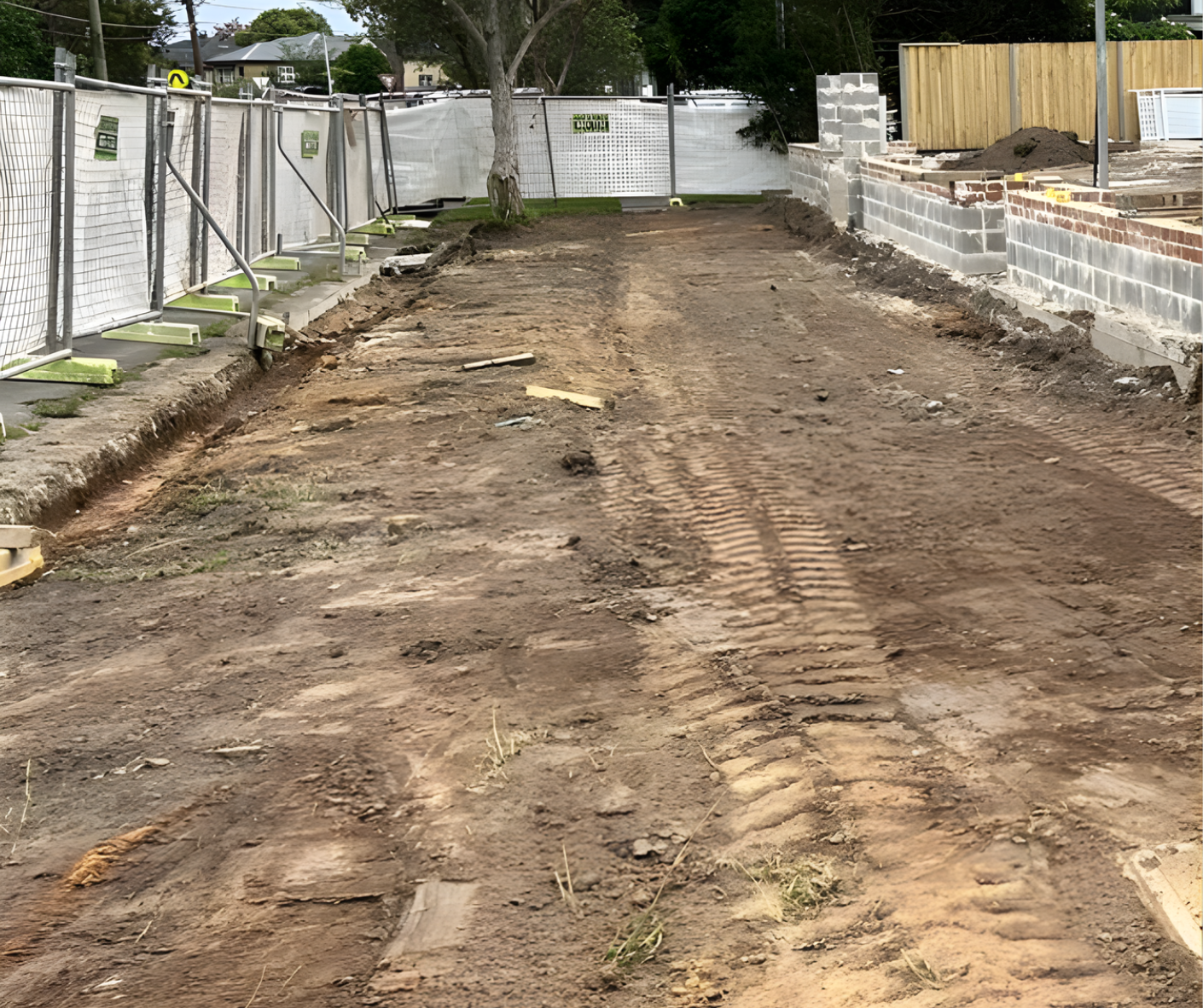
Regrade the yard to create a smooth surface and better drainage. Then re-turf or reseed for an even finish.
Why Lawns Get Bumpy
A bumpy lawn is rarely random. It is usually a mix of soil movement, water issues, and wear from everyday use.
Common Causes to Check First
Start with the obvious causes because they are often the easiest to fix. Burrowing pests lift the soil and leave holes, and walking on wet ground makes ruts that harden.
In colder areas, freeze-thaw cycles can lift and shift the surface. Earthworm casts can also form small mounds after rain, then dry firm.
Older lawns can sink in places as the soil settles. Buried debris, old roots, and leftover rubble can break down and create shallow dips. Drainage issues and broken pipes are the biggest warning signs because soggy soil keeps sinking and spreading.

Fix the Cause Before You Level
If water is pooling, fix drainage first, then do your levelling. Otherwise, you are covering a problem that will keep shifting soil every time it rains.
If pests are active, deal with them first and repair the damage once digging stops. For thin grass, build the turf back up before heavy topdressing, because weak lawn coverage is easier to smother and slower to recover.
When is the Best Time to Level a Lawn?
The best time to level a lawn is when the grass is actively growing, because it can recover quickly and grow through thin topdressing. Spring is often the sweet spot, with warmer soil, steady growth, and better conditions for the lawn to knit back together.
Avoid levelling when the lawn is dormant, such as during cold weather or dry periods. Growth slows, and bare patches can appear.
Warm season lawns like buffalo, couch, and kikuyu are best levelled in late spring or summer. Cool-season lawns like rye and fescue suit early spring or early autumn when conditions are mild.
Tools and Materials You Will Need
Having the right gear makes levelling quicker and more accurate. It also helps you avoid overworking the lawn and making new dips.
Tools
Shovel
Use it for moving mix, cutting turf, and filling deeper dips. A sharp edge makes cleaner cuts and easier lifting.
Garden Fork
A fork helps loosen compacted soil without ripping up the lawn. It is also handy for gently lifting small bumps.
Landscaping Rake
This is your main tool for spreading and smoothing material. A wide rake makes it easier to keep the surface even.
Wheelbarrow
A wheelbarrow saves you endless trips and keeps the job moving. It also helps you measure and mix materials consistently.
Push Broom
A broom helps brush topdressing into the grass and fill small gaps. It is handy for small low spots.
Lawn Levelling Rake (Optional)
This tool spreads the mix fast and evenly over large areas. If you are doing more than a few patches, it is worth it.
Core Aerator (Optional)
Aeration helps topdressing settle and improves water penetration. It is a smart add-on for compacted soil or poor drainage.
Levelling Materials
Sand, Compost, Topsoil, or a Blend
Sand levels smoothly and can help with surface drainage. Compost and topsoil add nutrients and support healthier growth.
Topdressing Mix for Shallow Dips
A balanced topdressing mix spreads easily and works well in thin layers. It is ideal when you are levelling without lifting turf.
Lawn Soil or Topsoil for Deeper Dips
Use lawn soil or topsoil when you are filling deeper low spots under lifted turf. It packs and supports roots better than sand alone.
Lawn Seed for Repairs and Seams
Seed helps close gaps where turf joins, or grass is thin after levelling. It is also handy for quick patch-ups if you accidentally expose soil.
Safety First
A little prep makes the job safer and the results cleaner. It also helps you spot problem areas before you start spreading soil.
Make the Bumps Easy to See
Mow the lawn a bit shorter than usual so the surface is easier to read. Rake up leaves, sticks, and debris so your tools do not snag or skip.
Improve Contact With Soil
Dethatch if there is a thick layer of dead grass blocking the soil. If the ground feels hard, core aeration can open it up and help topdressing settle.
Pre-Water for Easier Work
Water the lawn one or two days before you start. Aim for soil that is moist and workable, not wet and muddy.
How to Level a Bumpy Lawn With Topdressing
Topdressing is the go-to method for mild dips and gentle unevenness. It works best in light rounds, so the grass can keep growing through.
Choose Your Mix
Sand and compost level the lawn and add nutrients. Sand and soil are better if you plan to seed, since soil holds moisture for germination.
Sand helps the mix spread and settle in dips. Compost or soil adds nutrients, but too much can sit thick and smother the grass.
Apply in Thin Layers
Start with the low spots and feather the mix out into the surrounding area. Spread about 6 to 12 mm at a time so the lawn can breathe.
Keep the grass tips visible after each pass. If the lawn disappears under soil, you have added too much.
Work it into the Canopy
Use a levelling rake or a push broom to brush the mix into the grass. This helps fill gaps between blades and keeps the surface even.
Aim for the mix to sit down in the lawn, not on top like a blanket. Stop and rake back if you see grass getting buried.
Water to Settle
Water the area after spreading to help the mix drop into the dips. Use a gentle spray so you do not wash the mix into piles.
Moisture also helps the grass recover from the work. It keeps the top layer from drying out too fast.
Repeat if Needed
Give the lawn time to recover before you do another round. Wait until you see new growth and the surface is firm again.
Recheck the same spots after a week or two. Most lawns need a few light rounds to get a smooth finish.
How to Level Deep Low Spots
This is paragraph text. Click it or hit the Manage Text button to change the font, color, size, format, and more. To set up site-wide paragraph and title styles, go to Site Theme.
How to Level a Large Bumpy Lawn
Here is the simple plan for tackling how to level a large bumpy lawn without the chaos. You will map dips, work in zones, and spread material efficiently.
Map the Lawn
Walk the lawn and mark the low spots with small flags. This stops you from missing dips once the topdress is down.
Use a long, straight board to spot highs and lows. Move it around and look for gaps underneath.
Work in Zones
Split the lawn into sections to stay organised. Finish one zone before you start the next.
This helps you keep the same topdress depth across the yard. It also makes watering and cleaning up easier.
Estimate Material
As a rough guide, plan for roughly 0.8 cubic metres of topdressing per 100 square metres of lawn. Treat this as an estimate because lawns vary based on the depth of your dips. Measure your worst spots before you order so you do not run short halfway through.
Speed Tips for Big Areas
A levelling rake spreads the mix fast and evenly. It also helps you feather edges between zones.
If the soil is compacted, aerate before topdressing so the mix settles in. Water each finished zone so you can see where it drops and needs a touch-up.
Sloping Lawns and Drainage Issues
Slopes and poor drainage can undo your levelling work fast. Fix the water flow first, then level once the ground is stable.
Drainage Comes First
If low spots sit near drainage pipes, have them checked before you add soil. A blocked or damaged pipe can cause dips and soggy patches.
If water pools near the house, regrading may be the safer fix. It helps move runoff away from walls and prevents the lawn from staying wet.
Stop Topdressing Washing Away
Apply topdressing in very thin layers on slopes so it stays put. You should still see grass tips after each pass.
Expect to do multiple light rounds instead of one heavy spread. Water gently after each round so you do not wash the mix downhill.
Aftercare: How to Help the Lawn Recover
Aftercare is what locks in your levelling work and gets the grass growing again. Keep things steady for the first couple of weeks so the lawn can knit back together.
Water Consistently After Levelling
Water lightly and often so the top layer stays moist. Do not flood it, because you can wash the mix into piles.
Reduce Traffic Until the Lawn Firms Up
Keep kids, pets, and wheelbarrows off the levelled areas for a while. Foot traffic can create new dents before the soil settles.
Overseed if You Exposed Bare Areas
Seed any thin or bare spots so weeds do not move in first. Rake seed in lightly and keep it moist until it sprouts.
Consider a Light Fertiliser Plan if Growth Is Slow
If the lawn looks sluggish, use a light fertiliser to support recovery. Follow label rates and avoid heavy feeding straight away.
Keep Mowing Gently at First
Wait until the grass is growing well before you mow again. Set the mower a little higher and keep turns slow to avoid scalping.
Prevent Bumps from Coming Back
Change your mowing pattern every few cuts so the wheels are not tracking the same lines. It spreads wear and helps stop ruts from forming in the usual turning spots.
Stay off the lawn when the soil is very wet, especially after heavy rain. Soft ground compresses fast, and a few footsteps can turn into a dip you keep mowing over.
If you have worm casts, let them dry, then brush them back into the turf. This keeps the surface smoother and stops the mower from smearing mud into the grass.
Common Mistakes to Avoid
Adding too much topdressing at once can smother the lawn. Keep layers thin so light and air still reach the grass.
Do not level when the grass is dormant. Recovery is slow, and bare patches can show up.
Avoid heavy rolling and do not level over drainage problems. Compaction and pooling water will bring the bumps back.
Wrap-Up: A Smoother Lawn Without the Full Rebuild
MRN Excavations can help you get a smoother lawn without the guesswork, even if your yard has dips, ruts, or drainage trouble. We handle excavations, screw piers, and lawn landscaping to prep sites properly and keep levels stable from the ground up.
Levelling is usually done in light rounds, not one big hit. Contact us today.
Key Takeaways
- Match your levelling method to the depth of the dips, because deeper low spots need turf lifting, not just topdressing.
- Apply topdressing in thin layers of 6 to 12 mm so grass tips stay visible and the lawn can recover between rounds.
- Fix drainage and pest problems before you level, otherwise the bumps will keep coming back no matter how much soil you spread.
- Work in zones on large lawns and map your low spots before you spread material, so nothing gets missed.
- Water after levelling, limit foot traffic, and expect a few light rounds rather than one big hit.
- Knowing how to level a bumpy lawn properly starts with reading the surface, not just adding more soil on top.
FAQs
How do I know if my lawn needs topdressing or regrading?
Topdress if the bumps are shallow and you still have decent drainage across the lawn. Regrade the area if water pools after rain, the slope runs the wrong way, or the surface is uneven across the whole yard. A good test is the long-board check: lay a 2-metre straight edge across the lawn in a few spots, and if you see dips deeper than around 30 mm, topdressing alone will not get you there. Regrading also makes more sense when the lawn is competing with drainage problems near the house.
What is the best topdressing mix to level a bumpy lawn?
A common mix is sand combined with compost, or a sandy loam blend that mirrors your existing soil. Choose a mix that matches what is already in the ground, because layering very different soils can create a barrier that roots struggle to push through. If your lawn is sandy, lean into a sand-heavy mix. If your soil is clay-based, a sandy loam with compost will help spread the mix without sealing the surface.
How thick should topdressing be when levelling a lawn?
Apply thin layers so grass tips stay visible after every pass. Aim for about 6 to 12 mm per application, then let the lawn recover before adding more. Going thicker than this tends to smother the grass and slow recovery, especially in shaded or low-vigour areas. Multiple thin rounds will always beat one heavy spread.
Can I level a lawn with sand only?
Yes, sand levels well and can improve surface drainage in heavier soils. It can also create layering issues over time if your existing soil is very different, which is why a sand and compost mix is often safer. Pure sand also dries out faster and offers less for the grass to feed on. If you go sand-only, plan a follow-up feed cycle to keep the lawn strong.
How do I level deep low spots without killing the grass?
Cut a cross into the turf with a sharp blade and peel the flaps back like opening a book. Add lawn soil or topsoil underneath to raise the low spot to the surrounding level, then press the turf back down so it sits flush with the rest of the lawn. Water it in well to help the roots reconnect with the new soil. Keep foot traffic off the area for a couple of weeks while it knits back together.
How do I level a large bumpy lawn without spending a fortune?
Work in sections and only treat the worst dips first rather than trying to do the whole yard at once. Order topdressing in bulk rather than bagged, and use simple tools like a wide rake and push broom to spread it. Mapping the lawn with small flags or stakes helps you avoid wasted material, because you can see exactly where the dips are before you start spreading. Spreading the work over two or three seasons is often cheaper and easier on the lawn.
When is the best time of year to level a lawn?
Level the lawn when the grass is actively growing, so it recovers fast. This matters when learning how to level out a bumpy lawn without leaving bare patches behind. Spring is usually ideal because the soil is warming up and growth is steady. Early autumn can also work well, especially for cool-season grasses like rye and fescue.
How long does it take for grass to grow through topdressing?
With a thin layer of 6 to 12 mm, grass usually pushes through in around one to two weeks during the growing season. Thicker layers take longer and can thin out the turf if blades stay buried too long. Warm-season grasses like couch and kikuyu tend to recover faster than buffalo when conditions are good. Keep the area watered and traffic-free during this window to give the lawn the best chance.
Should I aerate before levelling a bumpy lawn?
Aerate if the soil is compacted or water struggles to soak in, which matters when working out how to level a bumpy lawn properly. Aeration helps topdressing settle into the soil rather than sitting on top, and it improves root growth at the same time. Use a core aerator rather than a spike aerator if you can, because cores pull plugs out and create real space for the mix to drop into. Wait a few days after aerating before you topdress, so the surface is firm enough to walk on.
How can I stop my lawn from becoming bumpy again?
Avoid heavy foot traffic on wet soil and change your mowing pattern every couple of weeks so the wheels are not tracking the same lines. Fix any drainage issues at the source rather than topdressing over them, because a soggy lawn will keep sinking and shifting. A light annual topdress can also help maintain a level surface without major work later on. If burrowing pests are active, deal with them before the damage builds up.